USS Abraham Lincoln is a nuclear-powered US aircraft carrier, is moving toward the Middle East as tensions with Iran rise amid deadly protests.
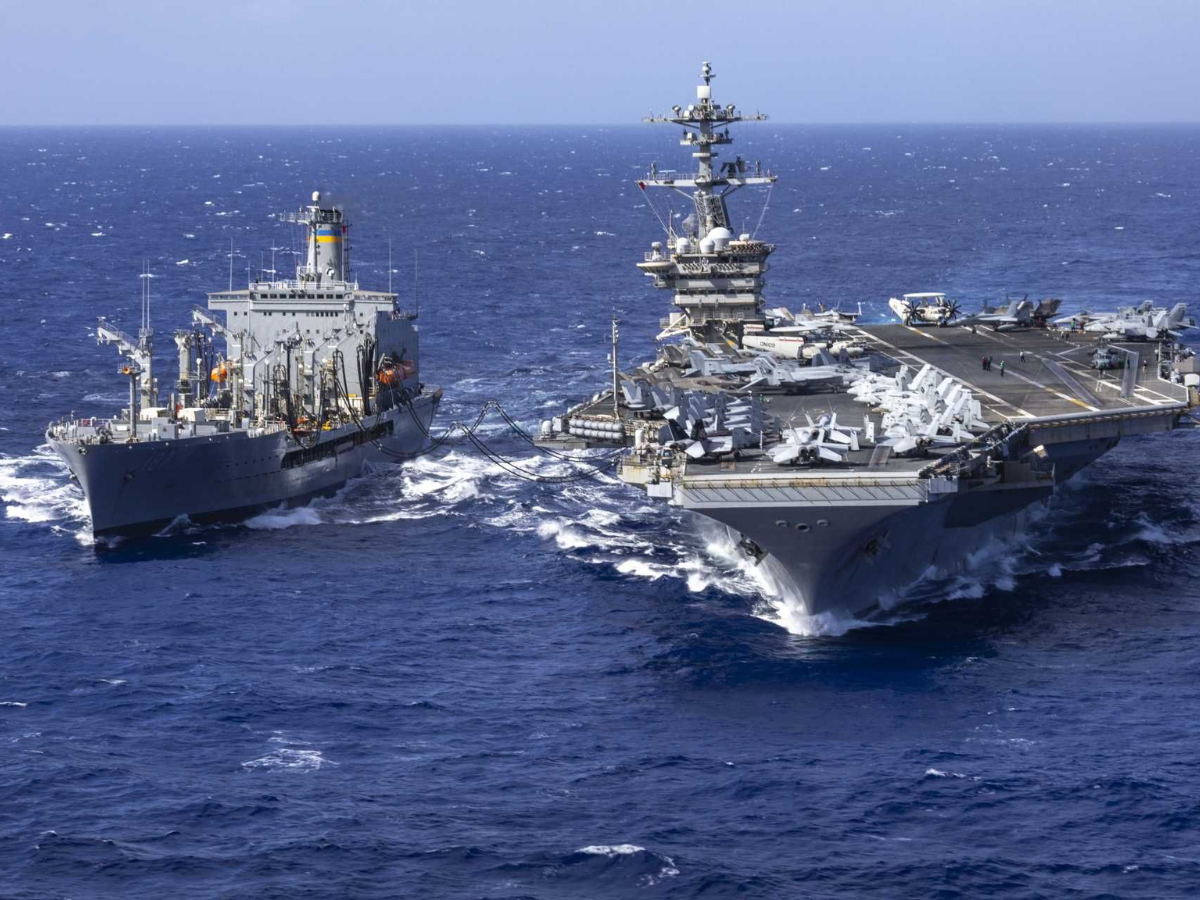
The USS Abraham Lincoln aircraft carrier sails toward the Middle East as the US signals military readiness amid escalating Iran tensions (Photo: X)
As unrest grows in Iran, international tensions escalate with Washington making adjustments to their war plans in this region. The USS Abraham Lincoln, an aircraft carrier powered by nuclear reactors, moves to this region. Although US officials have not directly linked this move to taking immediate military action, this indicates deterring at a critical stage of uncertainty.
Satellite images of the USS Abraham Lincoln on its way to the Middle East. pic.twitter.com/aGpjkyQMIv
— Open Source Intel (@Osint613) January 15, 2026
The USS Abraham Lincoln is the fifth Nimitz class aircraft carrier currently in service with the US Navy, commissioned in 1989 and homeported in San Diego. The two nuclear reactors onboard allow more than 20 years of operation without refueling. This 1,000-foot plus long vessel displaces nearly 100,000 tons and provides accommodations for about 5,000 personnel, while carrying as many as 90 aircraft, both fighter jets and helicopters.
Iran has seen weeks of national protests that have been dealt with harshly by Iranian security forces. More than 3,400 people have been killed and thousands more arrested, according to some Iranian rights groups since the protests began late last year. In light of this, Iran has been threatened not to continue its use of violence and military options have not been ruled out, according to the United States, led by Donald Trump, who is its president.
According to defense tracking sources, the USS Abraham Lincoln leads a carrier strike group from the Indo-Pacific region towards the US Central Command area, which includes the Middle East region. The move will take approximately one week. There has been no official statement from US officials regarding this move, which further reinforces that this mission is precautionary in nature and not for an impending attack.
Aircraft carriers form the backbone of US power projection. A single carrier strike group can conduct sustained air operations and gather intelligence on adversaries while responding quickly and decisively to regional crises. In volatile regions, such as the Middle East, carriers provide Washington with flexibility, allowing the country to apply pressure without a ground force commitment. Their presence alone often serves as a political and military signal to adversaries.
Apart from their involvement in warfare, carriers have another significant role in maintaining the stability of the seas. These ships facilitate the protection of shipping lanes, serve to discourage piracy and assist in terrorism missions. In previous crises, carrier strike groups have aided in the supply of humanitarian relief, medical facilities and disaster relief.
In particular, it’s worth noting that there were no aircraft carriers from the United States positioned under the umbrella of CENTCOM earlier this week, meaning that the Abraham Lincolnis essentially the closest thing to one being mobilized. The presence of ongoing protests in Iran and the watching gaze of its regional allies mean that its deployment does have one clear positive aspect regardless of its ultimate utilization.
