Israel-Iran War Update: Red flags signal revenge after Khamenei’s death, Iran retaliates as Israel and US praise the strikes, escalating tensions in the Middle East.
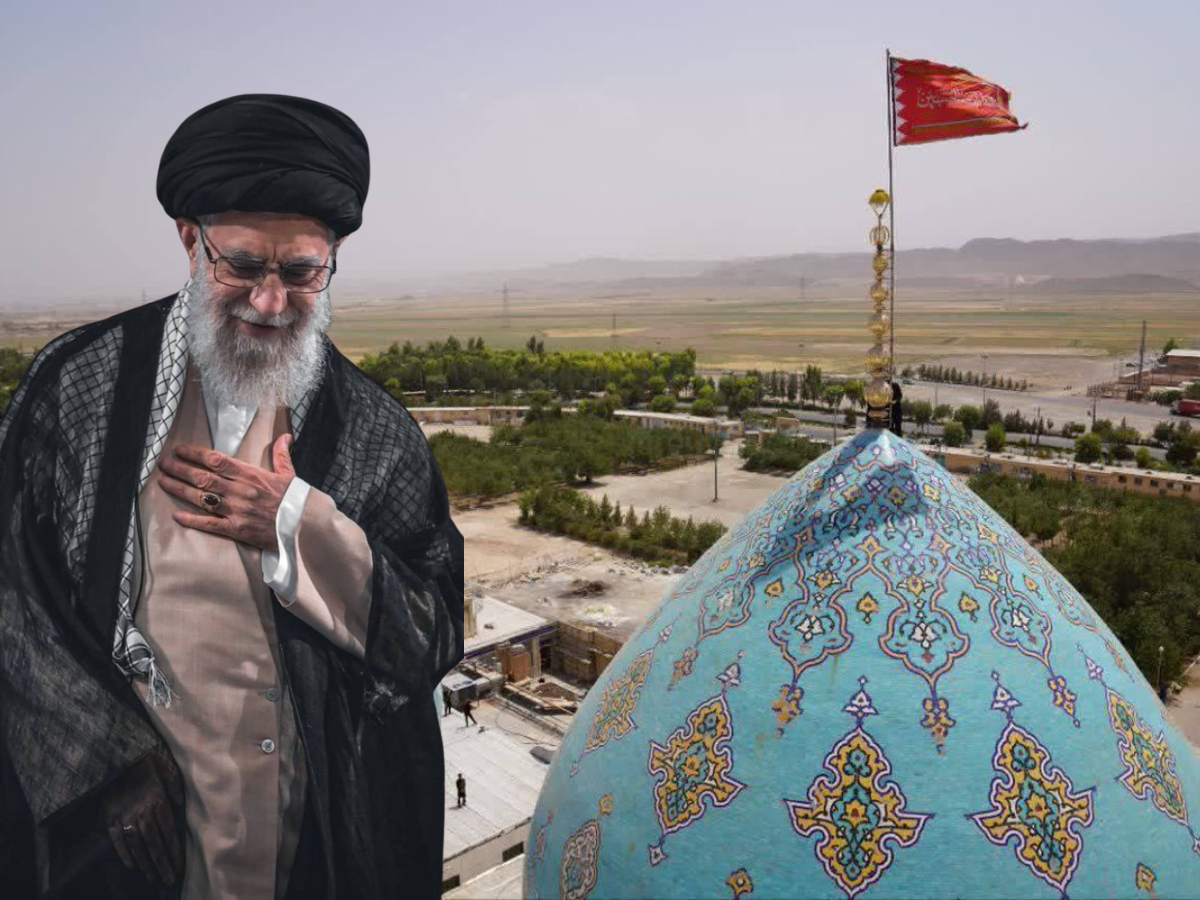
Red “flag of revenge” raised atop Jamkaran Mosque in Qom following Khamenei’s death in US-Israel strikes (Photo: X)
Israel-Iran Tensions: The Arabian world is on the brink of one of the most unstable scenes in decades after the Supreme Leader of Iran Ayatollah Ali Khamenei was killed in the joint U.S.-Israel airstrikes. Almost 90 million Iranians directly experienced the rise and the interaction on social media platforms around the world totaled more than 50 million interactions in 24 hours, which showed the reaction of the world on the conflict.
This was after the death of Khamenei when a red flag, a sign of revenge, was hoisted on the top of the Jamkaran Mosque in Qom. The action is an indication that Iran is planning revenge and this has been echoed in Mashhad and Isfahad mosques. The use of the flag resonated symbolically, as reportedly more than 500,000 people were present at the public gatherings.
According to Shia, a red flag refers to the unjust bloodshed and demands revenge. It is increased by foreign aggression or martyrdom, experts observe. The political and spiritual importance of the flag was manifested in the airstrikes that were followed by chants against the United States and Israel at the Hazrat Masoumeh Shrine.
Fighter jets of the Israeli forces unleashed about 30 precision missiles on the Tehran complex of the leadership on February 2. Khamenei and some of his senior officials were killed in the coordinated attack, which was planned with the help of the U.S. intelligence. According to estimates by the analysts, the operation pinpointed almost 40 percent of the political and military leadership of Iran and the country was put in a going blind situation.
President Masoud Pezeshkian swore revenge saying, Iran armed forces are warring against enemy bases in full capacity and will leave them helpless. It is reported that missile attacks were on U.S. bases in the Gulf countries such as the UAE, Bahrain, Kuwait and Qatar though some of these claims have been disputed by the U.S. authorities.
Ayatollah Alireza Arafi, with the assistance of a provisional council of leaders, mainly President Pezeshkian and chief Justice Gholam-Hossein Mohseni-Eje’i, now holds the interim leadership. The council will run state affairs till a permanent successor is chosen, which might take several months under the increased tensions.
Israeli Prime Minister Benjamin Netanyahu justified the strike by national security reasons, labeling Khamenei a great danger. The US President Donald Trump applauded the operation with a warning that Iran should not dare to attack again and that the strike would open the opportunities to allow the Iranian people recover their future.
What triggered the latest conflict?
The war escalated after U.S.-Israel airstrikes targeting Khamenei and senior Iranian officials.
How has Iran responded militarily?
Iran launched missile and drone attacks on U.S. bases in the Gulf and though some claims remain unverified.
Who is leading Iran now?
Ayatollah Alireza Arafi serves as interim Supreme Leader alongside a temporary leadership council.
What is the significance of the red flag?
In Shia tradition, it symbolizes unjust bloodshed and calls for revenge or justice.
How did Israel and the U.S. react?
Leaders hailed the strike as a security measure and highlighted opportunities for Iranian citizens.
