Jeffrey Epstein allegedly planned a ‘baby ranch’ at his New Mexico estate to spread his DNA and create a ‘super race’, according to disturbing accounts.
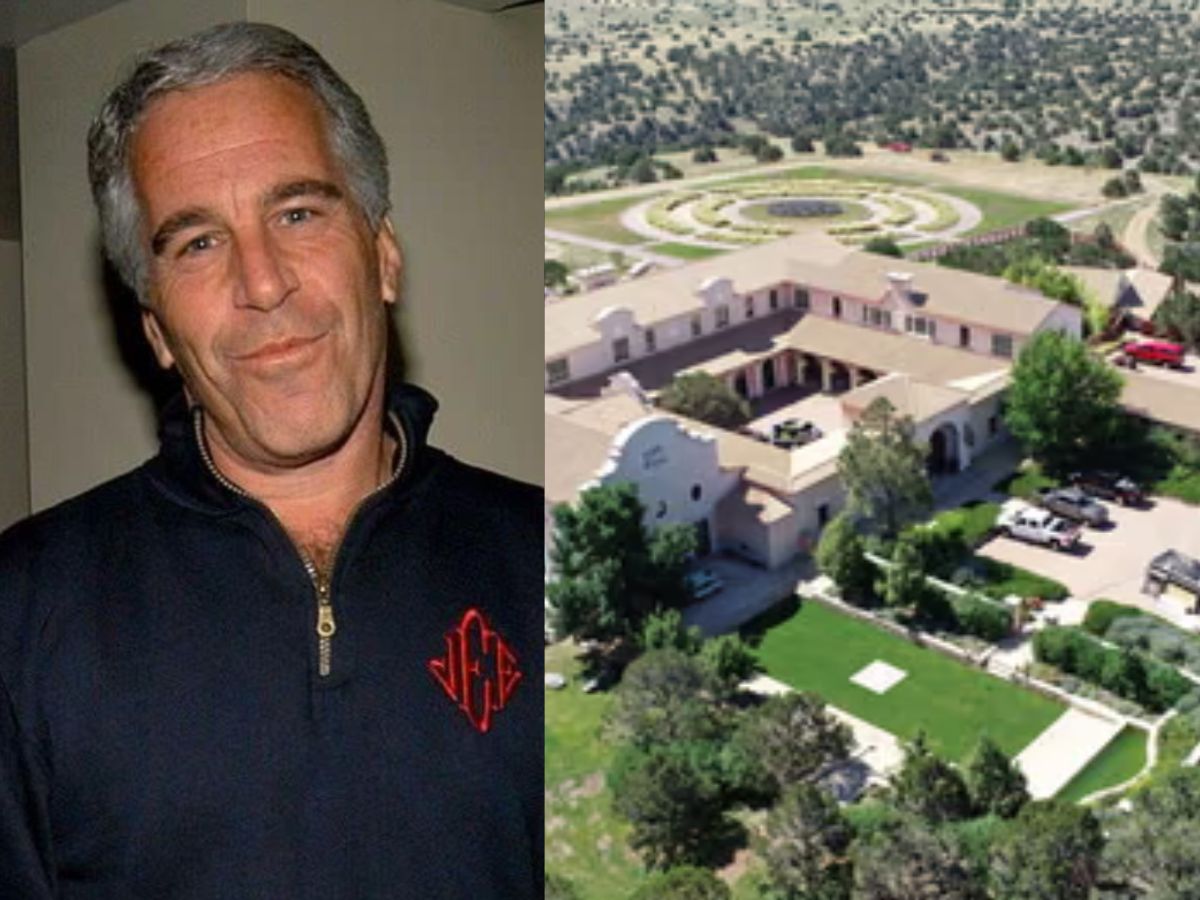
Jeffrey Epstein allegedly planned a ‘baby ranch’ at his New Mexico estate [Photo: X]
Jeffrey Epstein, years before he died in a New York jail in 2019, allegedly nurtured a disturbing ambition that went far beyond money, power or influence. According to accounts shared by scientists and advisers who encountered him over the years, Epstein wanted to use his wealth and vast property in New Mexico to spread his DNA and create what he reportedly described as a ‘super race’ of humans.
The plan, which some privately referred to as a “baby ranch”, has resurfaced amid renewed scrutiny of Epstein’s life, associations and long-hidden activities. While there is no evidence that the scheme was ever carried out, the idea itself has alarmed experts and raised fresh questions about the depth of Epstein’s obsession with control, genetics and legacy.
Jeffrey Epstein allegedly envisioned turning his Zorro Ranch, a 33,000-square-foot property near Santa Fe, into a place where multiple women would be impregnated with his sperm. Over dinner conversations and private gatherings, he reportedly told scientists and business figures that women would give birth to his children at the ranch.
Several people who heard Epstein describe the idea said he spoke about having as many as 20 women pregnant at the same time. Some who encountered the plan found it unrealistic, while others described it as deeply disturbing. There is no proof that the plan moved beyond discussion, and no confirmation that any such pregnancies occurred.
Those familiar with Epstein’s thinking say the idea stemmed from his fascination with transhumanism, a loosely connected movement that promotes using technology, genetics and artificial intelligence to enhance human abilities.
Jeffrey Epstein frequently criticised efforts to reduce poverty, hunger and disease in poorer countries, arguing that such initiatives led to overpopulation. At one academic gathering, he dismissed humanitarian interventions, sparking open disagreement from attendees. One scientist later recalled being told he was no longer welcome at Epstein’s events after challenging his views.
Critics have long compared aspects of transhumanist thinking to eugenics, the belief that selective breeding could improve humanity — an ideology historically linked to Nazi policies.
Despite his criminal history, Epstein spent years embedding himself in elite scientific and academic circles. He funded conferences, research projects and informal gatherings where influential thinkers discussed ideas over luxury meals.
Some of the world’s best-known scientists attended Epstein-backed events or interacted with him professionally. Several later acknowledged that the promise of funding clouded judgment about his past.
Epstein also helped fund academic programmes, sponsored overseas conferences and hosted guests on his private island. At times, these events included unusual experiences, such as private submarine trips organised for visiting scientists.
Whether Epstein ever fathered children remains unclear. Recently released government files include references suggesting he may have done so, though no claims have been independently verified.
One woman alleged in a diary entry that she gave birth around 2002 when she was 16 or 17, claiming the child was taken from her shortly after birth under the supervision of Epstein’s former partner, Ghislaine Maxwell. The allegation remains unproven, and no official records confirm the child’s existence.
Epstein never publicly acknowledged having children, and none appear in his will.
Epstein reportedly spoke openly about preserving parts of his body after death. One associate said Epstein discussed cryonics, the unproven practice of freezing bodies for possible future revival. According to that person, Epstein said he wanted his head and penis preserved.
These claims, while shocking, align with accounts portraying Epstein as obsessed with longevity, genetic influence and posthumous control.
The allegations surrounding Epstein’s so-called “baby ranch” highlight how wealth and influence allowed him to push extreme ideas without accountability for years. The story also raises uncomfortable questions about how powerful figures can exploit science, money and secrecy to pursue deeply unethical ambitions.
Even years after his death, Epstein’s shadow continues to fall across politics, academia and global elite networks — with new details still emerging.
