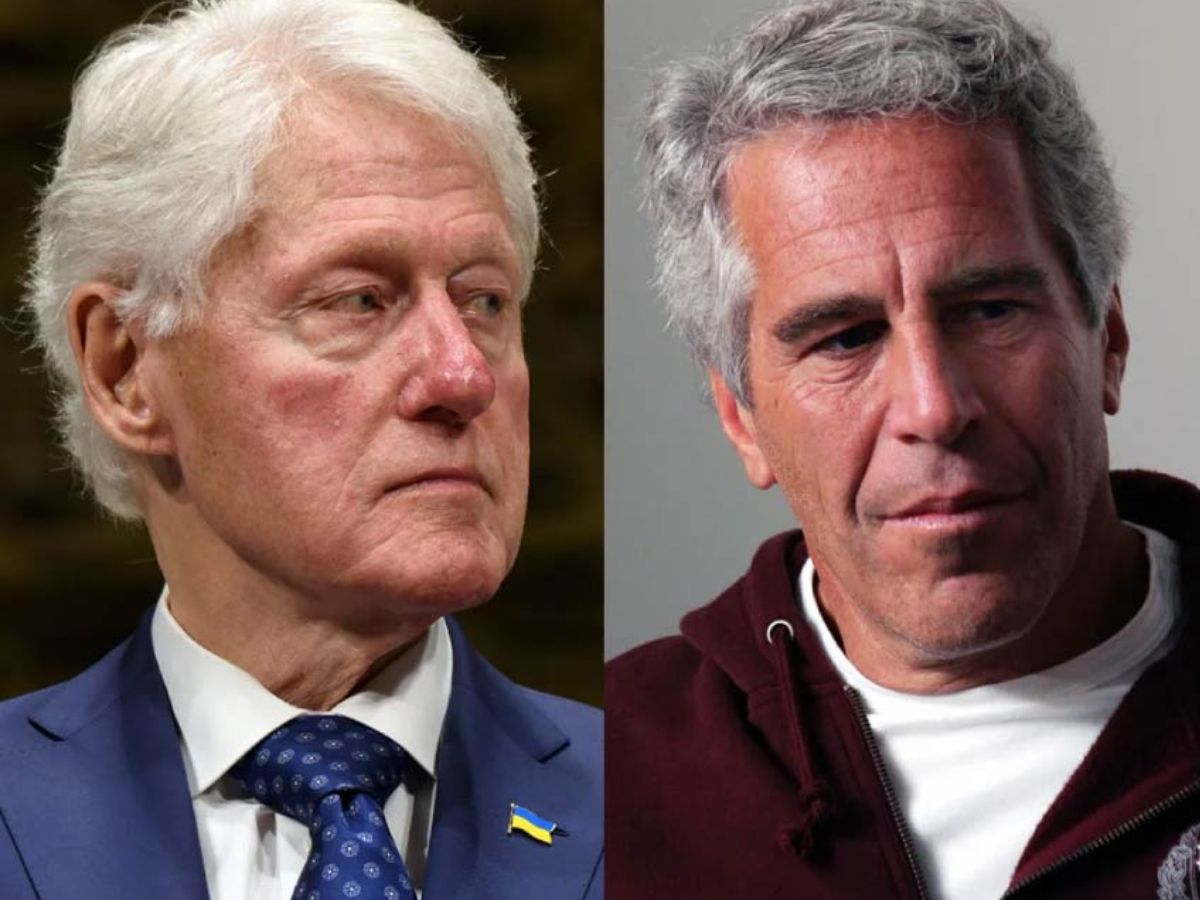
The Epstein files refer to documents that detail the criminal activities of convicted sex offender Jeffrey Epstein and his network, which included influential politicians and celebrities. The controversy began during the 2024 US presidential campaign, Donald Trump suggested releasing these files but later dismissed them as Democratic fabrications in November 2025, House Democrats released emails in which Epstein claimed Trump had spent hours with one of the victims.
What’s Going On With Sex Offender Jeffrey Epstein Files?
The long-running controversy surrounding convicted sex offender Jeffrey Epstein has once again come into focus as the US Justice Department and Congress take parallel but increasingly tense paths.
DOJ Says It Has Made “Substantial Progress” on Epstein Files
The US Justice Department has confirmed that it has reviewed nearly 13,000 documents linked to Jeffrey Epstein, calling the effort “substantial progress”, even though more than 2 million documents are still under review.
In a recent court filing, Attorney General Pam Bondi and Deputy Attorney General Todd Blanche told a federal judge that around 400 lawyers and 100 document analysts are working through the material. Their primary task, they said, is to protect victims’ identities by carefully redacting names before any public release.
“This work has required and will continue to require substantial Department resources,” they said, adding that the department remains committed to safeguarding the privacy of victims and their families.
Congress had ordered the Justice Department to release all Epstein-related records by December 19, with a report on withheld material due by January 3, deadlines that have now passed. The delay has drawn sharp criticism from Democrats and survivors of Epstein’s abuse.
Political Pressure Grows Over Delayed Disclosure
Senate Minority Leader Chuck Schumer accused the department of moving too slowly, saying the public still does not know how many files remain undisclosed. He has demanded full transparency and accountability in the release process.
So far, documents already made public show Epstein interacting with powerful politicians and business figures, but they do not name additional suspects or clearly identify the alleged co-conspirators in his sex trafficking network.
Clintons Refuse to Testify Before House Committee
Amid the document review, a separate political flashpoint has emerged. Former President Bill Clinton and former Secretary of State Hillary Clinton have refused to comply with a House Oversight Committee subpoena demanding their testimony in the Epstein investigation.
In a letter shared publicly, the Clintons called the probe “legally invalid” and accused the committee’s Republican leadership of abusing its authority. They warned that the process appears “literally designed to result in our imprisonment.” “We will forcefully defend ourselves,” they wrote.
The Clintons also alleged selective enforcement, claiming that other former officials were allowed to submit written statements, while subpoenas were aggressively pursued against them. Republican lawmakers have signalled they may proceed with contempt of Congress actions if the Clintons continue to refuse testimony.
Epstein Case Remains Under Court Oversight
The document releases are being supervised by multiple federal judges, including Judge Paul Engelmayer, who previously oversaw the case of Ghislaine Maxwell, Epstein’s close associate. Maxwell is currently serving a 20-year prison sentence for conspiring to traffic minors for sex.
Epstein Case: Where Things Stand Now?
While the Justice Department insists progress is being made, the sheer volume of unreleased material and growing political resistance including the Clintons’ refusal to testify means the Epstein files remain far from fully public.