India has condemned Pakistan’s airstrikes in Afghanistan, affirmed support for Kabul’s sovereignty, and rejected Pakistan’s claims of India’s involvement amid escalating Pakistan‑Afghan clashes.
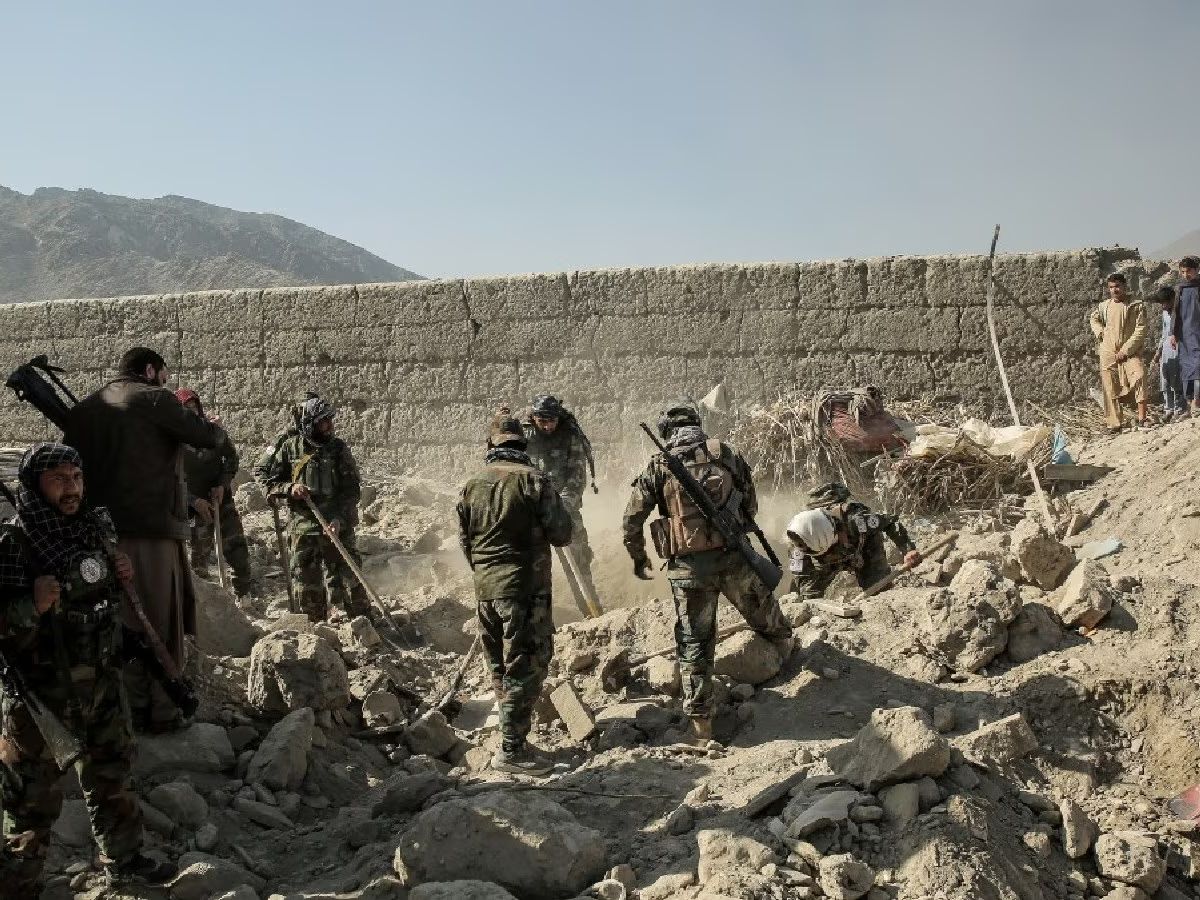
India has condemned Pakistan’s airstrikes in Afghanistan [Photo: X]
India has taken a clear diplomatic stance on the latest escalation between Pakistan and Afghanistan, condemning Islamabad’s airstrikes that have killed civilians and increased tensions along the Durand Line.
Although no fresh statement has come from Indian authorities on the newest flare‑up, India’s earlier responses highlight its support for Afghan sovereignty and criticism of cross‑border violence.
These comments come as the fragile ceasefire brokered by Qatar and Turkey last year lies in ruins and Pakistan and Afghanistan trade accusations of unprovoked attacks and violations of territory.
As violence escalated, India expressed concern over the rising toll of civilian deaths caused by Pakistani airstrikes while reaffirming its support for Afghanistan’s territorial integrity.
India’s Ministry of External Affairs spokesperson Randhir Jaiswal said India “strongly condemns Pakistan’s airstrikes on Afghan territory that have resulted in civilian casualties, including women and children, during the holy month of Ramadan,” a statement reflecting India’s emphasis on protecting civilians and respect for sovereign borders. India also reiterated its backing for Afghanistan’s sovereignty, territorial integrity and independence in the face of repeated strikes.
The latest conflict drew new heat when Afghan forces launched a cross‑border attack into Pakistan on Thursday, which Kabul said was carried out in “retaliation” for Pakistani strikes on Afghan border regions. Islamabad responded with major air operations in Kabul, Kandahar and Paktia, claiming to target militant hideouts and command centres.
Pakistan’s Defence Minister Khawaja Mohammad Asif declared that “our patience has now run out” and said Islamabad was under attack, signalling what officials called open war. Afghanistan has rejected Pakistan’s narrative and insisted its actions were defensive responses to deadly air raids on its territory.
India’s criticism isn’t new. During a significant rise in Pakistan‑Afghanistan border tensions in October 2025, India openly backed Kabul and rebuked Islamabad for “sponsoring terrorism and then blaming its neighbours.”
At that time, External Affairs Ministry officials described Pakistan’s practice of attributing internal failures to neighbouring countries as an old pattern, while underscoring India’s support for Afghan sovereignty.
That earlier clash occurred when Taliban Foreign Minister Amir Khan Muttaqi visited India, Delhi’s first high‑level engagement with a Taliban delegation since 2021, and India used the occasion to call for peace and restraint. Islamabad’s longstanding accusation that “Indian proxies” were operating from Afghanistan was dismissed by Indian officials as baseless.
In response to Pakistani claims that “Indian proxies” were fuelling the conflict from Afghan soil, India firmly rejected such allegations. Officials stressed that India does not support armed activities against Pakistan and that its diplomatic goals in the region remain focused on peace, humanitarian engagement and mutual respect for sovereignty.
That stance reiterated India’s earlier denial of similar claims during past tensions, when Islamabad accused Delhi of backing militancy against it via Afghan territory. India dismissed these allegations as unfounded, emphasising its long‑standing position against all forms of terrorism and external interference.
The border situation has grown more volatile over recent days. Pakistan’s military said its strikes killed more than 130 militants involved in attacks inside the country, while Afghanistan reported its own military operations in retaliation. Both sides have provided conflicting casualty figures and figures for positions gained or lost along the border sectors.
Pakistan maintains that its actions target militant hideouts responsible for terrorism inside its territory. In contrast, Kabul accuses Islamabad of violating international law and inflicting civilian casualties in populated regions, including homes and religious sites.
India’s earlier engagement with Afghanistan, including diplomatic dialogue and humanitarian support, contrasts sharply with Pakistan’s confrontational posture. India’s condemnation of airstrikes frustratingly places it on the side of promoting peace and civilian protection, even as Islamabad accuses India and Kabul of colluding against Pakistan’s security.
While the conflict continues to unfold and no new official statement has yet been released by Indian authorities on the latest skirmishes, Delhi’s previous remarks suggest a consistent emphasis on sovereignty, territorial integrity and the protection of civilians as key pillars of its position in the rising Pakistan‑Afghanistan crisis.
