The White House released a detailed factsheet on the India-US trade deal after President Donald Trump’s “zero tariff” claim, clarifying tariff cuts, market access
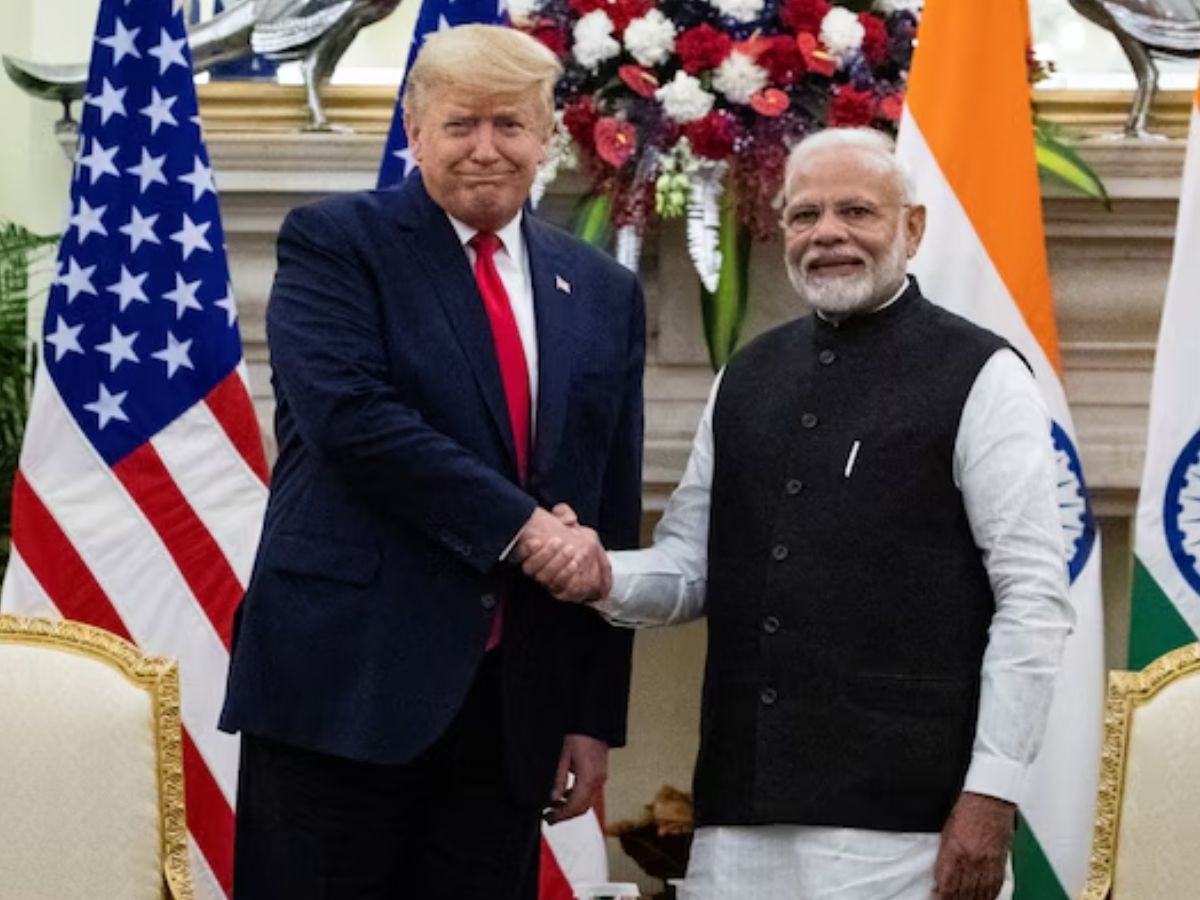
White House Releases Factsheet Follows Trump’s ‘Zero Tariff’ Claim (Source: Instagram)
India US Trade Deal: The Donald Trump administration has described the new India-United States trade deal as a historic move. According to the White House, the agreement will open India’s massive market of more than 1.4 billion people to American goods and services.
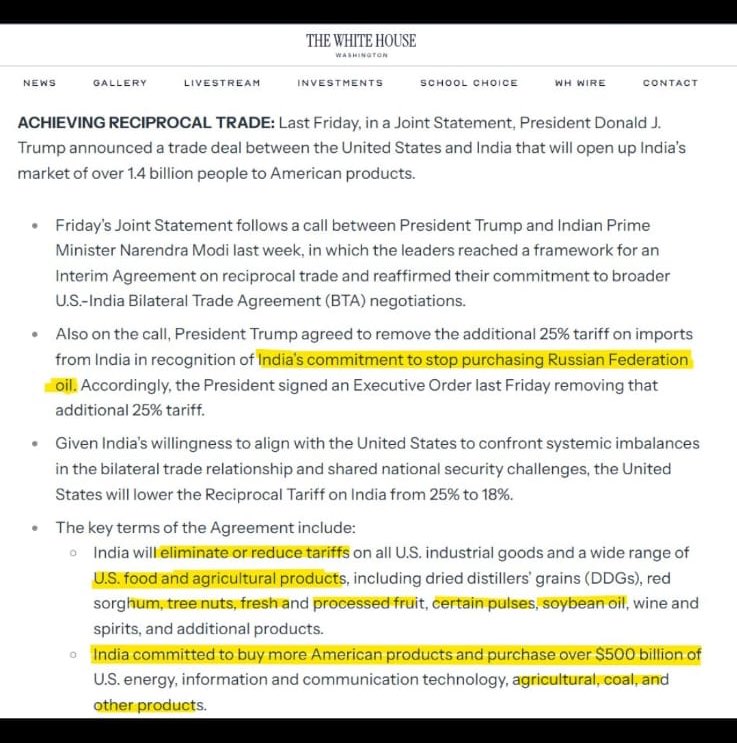
The White House also released an official statement outlining the main points of the agreement. Under the deal, the United States has agreed to reduce the reciprocal tariff on Indian goods from 25 per cent to 18 per cent.
The statement helped clear confusion around President Trump’s earlier claim that India had agreed to cut “tariffs and non-tariff barriers against the United States to ZERO”.
It explained that Trump has agreed to remove the additional 25 per cent tariff on Indian imports. This decision was taken in recognition of India’s commitment to stop buying Russian oil, the White House said.
According to the statement, India has agreed to “eliminate or reduce tariffs” on all American industrial products. The commitment also covers a wide range of US food and agricultural items.
These include “dried distillers' grains (DDGs), red sorghum, tree nuts, fresh and processed fruit, certain pulses, soybean oil, wine and spirits, and additional products.”
The White House said India has promised to increase purchases of American products. This includes buying more than $500 billion worth of US energy, information and communication technology, agricultural coal, and other goods over time.
The statement stressed that India has also agreed to address non-tariff barriers that affect trade between the two countries, especially in priority sectors.
India will remove its digital services taxes and has committed to negotiating strong bilateral digital trade rules. These rules aim to tackle discriminatory or burdensome practices and include provisions that prohibit customs duties on electronic transmissions.
Both countries have agreed to “negotiate rules of origin that ensure that the agreed benefits accrue predominantly to the United States and India.”
They also committed to improving economic security alignment, strengthening supply chains, and boosting innovation. This includes working together on investment reviews, export controls, and addressing non-market policies of third countries.
The White House said the US and India will significantly expand bilateral trade in technology products. The two sides also plan to deepen joint technology cooperation in key areas.
President Trump had earlier stated that India agreed to reduce Tariffs and Non-Tariff Barriers against the United States, to ZERO.
However, the White House clarification suggested this meant a gradual reduction or removal of duties on selected products, rather than an immediate elimination of all import tariffs. Trump’s strong wording had earlier caused concern among Indian traders.
The statement followed a recent call between President Trump and Prime Minister Narendra Modi. During the conversation, both leaders agreed on a framework for an interim reciprocal trade agreement and reaffirmed their commitment to a broader US-India Bilateral Trade Agreement (BTA).
The White House said both sides will soon implement the framework and work toward finalising the interim deal, with a “view to concluding a mutually beneficial BTA to lock in benefits for American workers and businesses.”
Future talks will address remaining tariff and non-tariff barriers, technical trade issues, customs procedures, services, investment, intellectual property, labour, environment, government procurement, and unfair practices by state-owned enterprises.