World Economic Forum CEO Borge Brende resigns after disclosures about Jeffrey Epstein links. Here’s who Brende is, why he stepped down, and what’s next.
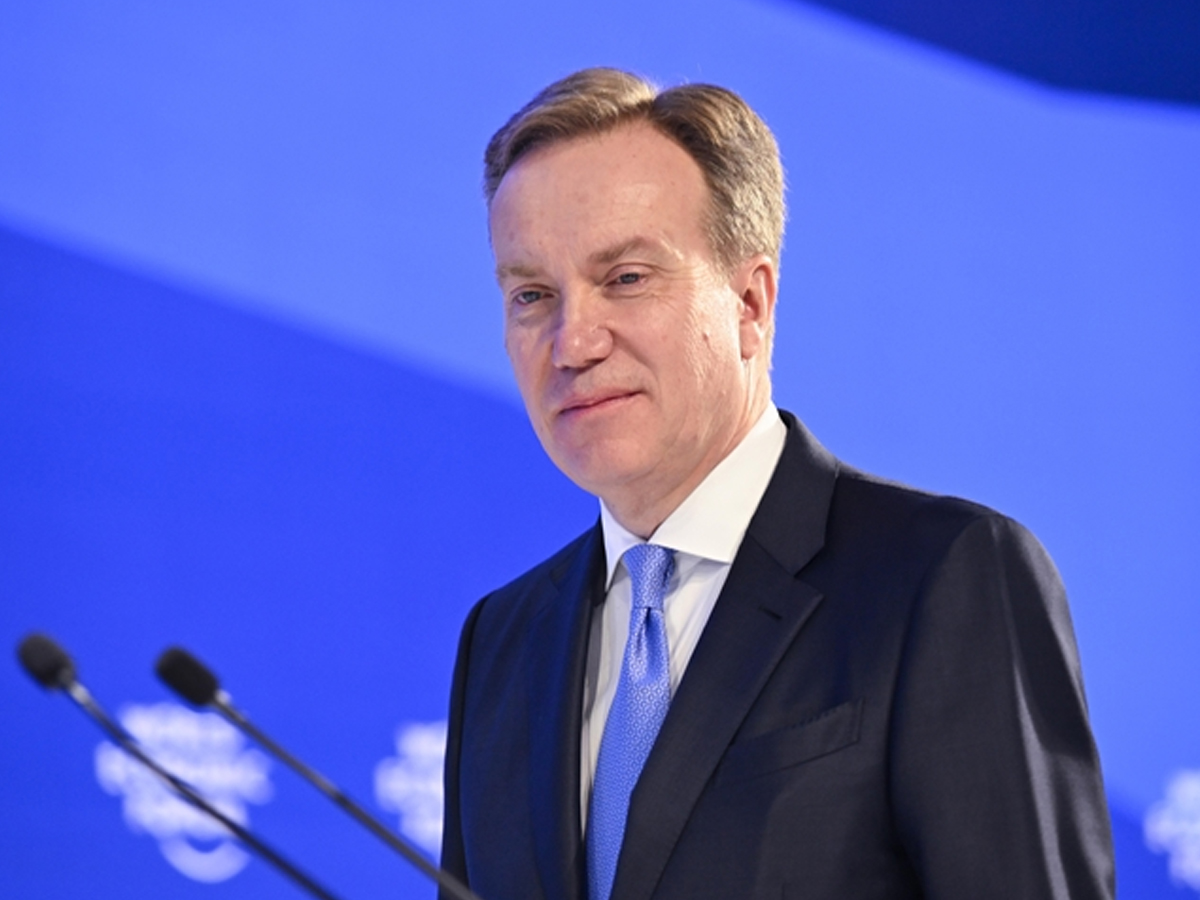
Known for his work on diplomacy, sustainability, and international cooperation, Brende joined the World Economic Forum leadership in 2017. (Photo: Social Media)
The World Economic Forum has announced a major leadership change after Borge Brende resigned as President and CEO following renewed scrutiny of his past interactions with Jeffrey Epstein. The decision comes amid fresh disclosures by the US Justice Department, which brought Epstein’s global network back into focus.
Brende announced on Thursday, marking the end of an eight-and-a-half-year tenure at the influential global forum. While there is no public allegation of criminal wrongdoing against him, the revelations triggered widespread attention and internal review.
Borge Brende is a Norwegian politician and international diplomat who has played a prominent role in global policy circles for decades. Before joining the World Economic Forum, he served in several senior roles in Norway’s government, including as foreign minister and minister of climate and environment.
Known for his work on diplomacy, sustainability, and international cooperation, Brende joined the World Economic Forum leadership in 2017. Over the years, he became one of the most recognisable faces of the organisation, often representing it at high-level global summits and policy discussions.
The resignation followed the release of documents by the US Justice Department that detailed Epstein’s contacts with a range of influential figures. According to those disclosures, Brende had three business dinners with Epstein and exchanged emails and text messages with him.
Epstein, who was convicted of sex offences and died in jail in 2019, maintained ties with powerful individuals across politics, business, and academia. In recent years, any association with him, whether personal or professional, has drawn intense scrutiny.
Although investigations into Brende’s interactions are ongoing, authorities have not indicated any criminal wrongdoing on his part. Still, the revelations created pressure on the World Economic Forum, prompting Brende to step aside to avoid further distraction.
In his statement, Brende did not directly reference Epstein. Instead, he reflected on his time at the organisation and framed the decision as a moment of transition.
“After careful consideration, I have decided to step down as President and CEO of the World Economic Forum. My time here, spanning eight-and-a-half years, has been profoundly rewarding,” he said.
He added that stepping down would allow the Forum to continue its work without distractions and thanked colleagues, partners, and stakeholders for their support during his leadership.
As head of the World Economic Forum, Brende oversaw its flagship Davos meetings, where global leaders, CEOs, and policymakers gather annually to discuss pressing international challenges. Under his leadership, the Forum focused on climate change, economic resilience, digital transformation, and geopolitical cooperation.
His departure comes at a time when global institutions face growing public scrutiny over transparency, accountability, and leadership ethics.
The World Economic Forum has not yet named Brende’s successor. Until a new CEO is appointed, the organisation will continue its scheduled initiatives and global programmes.
Attention has now shifted to how the Forum manages this leadership transition and responds to concerns raised by the latest disclosures.
As public debate and reviews continue, Brende’s resignation marks a significant moment for one of the world’s most influential policy platforms. The coming weeks are likely to shape both the Forum’s leadership future and its approach to maintaining credibility amid heightened scrutiny.
