Starting with nothing, he built Next Digital into a media empire behind the pro-democracy newspaper Apple Daily.
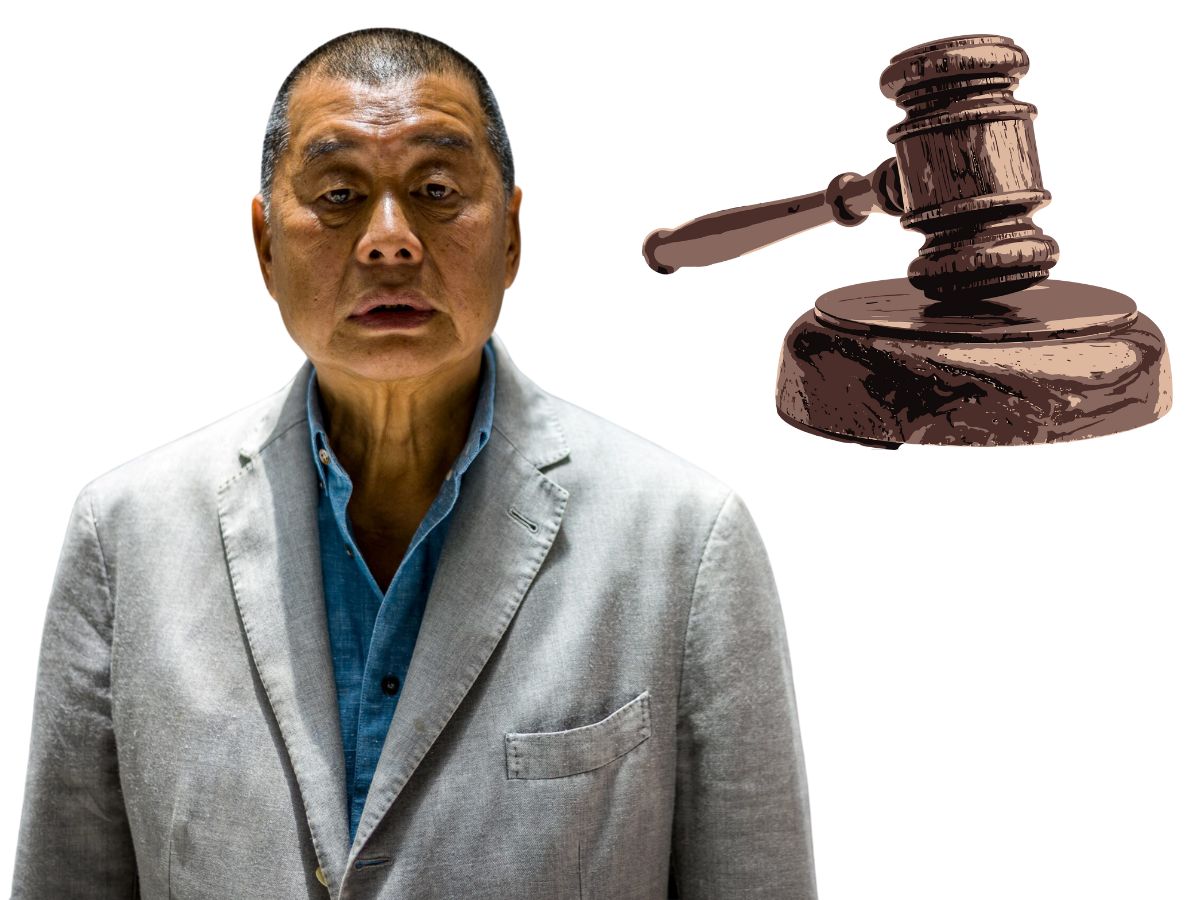
Check Who Is Jimmy Lai and the Rise and Sentencing of the Hong Kong Pro-Democracy Media Tycoon
Jimmy Lai, a famous Hong Kong media owner, fights for democracy while his legal battles become a global spectacle. Lai has become a press freedom activist because he publicly fights against Beijing and protests against the political repression in Hong Kong.
The Chinese-born Jimmy Lai Chee-ying moved to Hong Kong during his teenage years. From his start in life without any resources, he built Next Digital into a successful business, which produced the now-defunct pro-democracy newspaper Apple Daily.
Jimmy Lai faces charges under Hong Kong’s National Security Law, which include allegations of collusion with foreign forces and sedition. Authorities claim his media activities endangered national security, while critics argue the case targets his right to free speech and his ability to conduct journalism independently.
Jimmy Lai reached his highest wealth status during his career as one of Hong Kong's most affluent businesspeople. His net worth had reached hundreds of millions of dollars, but it decreased sharply because of asset freezes, business closures, and his current legal disputes.
Jimmy Lai supported a strict US policy against China while he praised Donald Trump for his trade policies. Chinese authorities used his public support for US pressure against Beijing as proof that he supported foreign interests even though he stayed out of trade negotiations.
Jimmy Lai established the Giordano clothing brand before he started Apple Daily in 1995. The newspaper gained widespread readership and public dispute because it reported boldly and criticized the Chinese government.
Jimmy Lai has a wife and three children. His family has mostly avoided public political discussions throughout his legal battles.
Jimmy Lai’s story reflects the growing clash between state control and press freedom in Hong Kong. His sentencing is seen globally as a critical moment for democracy and media independence in the region.
