Lesley Groff, Jeffrey Epstein’s longtime executive assistant, appears over 150,000 times in unredacted DOJ files, drawing scrutiny for her role in his inner circle.
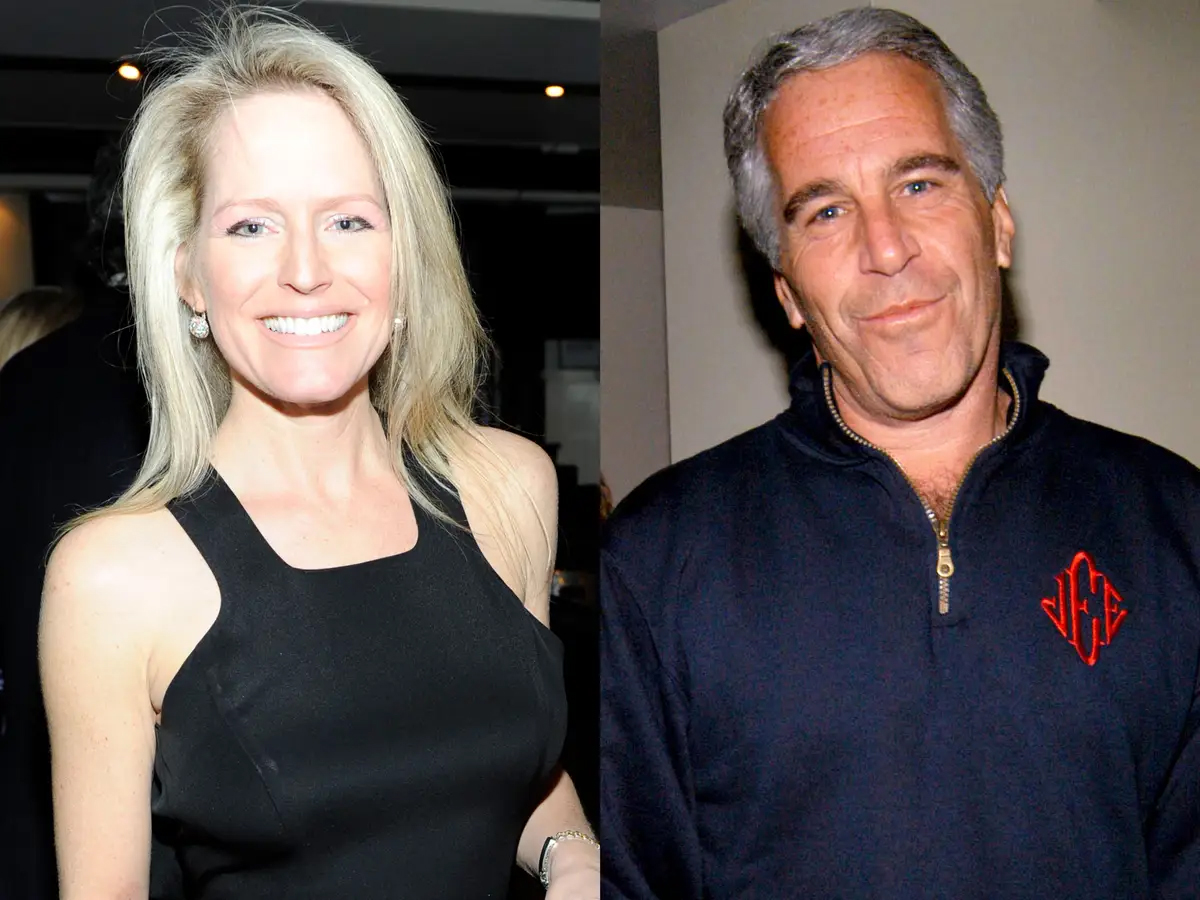
Freshly unsealed and unredacted records linked to Jeffrey Epstein have brought renewed attention to a woman who worked quietly behind the scenes for nearly two decades. The newly released files from the U.S. Department of Justice show that Lesley Groff’s name appears more than 150,000 times, second only to Epstein himself.
The sheer number of references has sparked new public interest in her role, responsibilities, and proximity to Epstein’s operations. While Groff has never been criminally charged, the documents underline how central she was to the daily functioning of Epstein’s network.
Lesley Groff is a former executive assistant who worked for Jeffrey Epstein from 2001 until he died in 2019. She lived in New Canaan, Connecticut, and joined Epstein’s New York office after posting her résumé online and interviewing with Epstein and his associate Ghislaine Maxwell.
Before working for Epstein, Groff worked as an event planner. After joining his team, she quickly became one of his most trusted aides. Epstein reportedly referred to his assistants, including Groff, as “an extension of my brain,” reflecting the level of reliance he placed on them.
Groff managed Epstein’s personal and professional calendars, scheduled meetings, arranged travel, and handled communications with high-profile contacts. She coordinated logistics for flights on Epstein’s private aircraft and organized appointments and events. Anyone seeking access to Epstein’s network often went through her first.
The unredacted DOJ documents reveal that Groff handled a large portion of Epstein’s day-to-day operations. One federal lawyer wrote in the records, but their identity was redacted, “She was Epstein's primary secretary who handled the travel logistics for Epstein, his employees, and the victims who traveled. So it makes sense that her last name has so many hits.”
Her responsibilities included booking flights, arranging travel schedules, coordinating meetings, and managing staff. Because she documented and organized so much of Epstein’s activity, her name repeatedly appears across emails, logs, and internal records.
The high frequency of mentions does not automatically imply criminal wrongdoing, but it highlights how deeply involved she was in administrative and logistical matters within Epstein’s organization.
Over the years, several civil lawsuits named Groff as a defendant. Some plaintiffs alleged that she helped arrange travel or scheduled “massages” connected to Epstein’s abuse network. However, courts dismissed or withdrew many of those suits, often as part of settlements or participation in victim compensation programs.
Groff has never faced criminal charges in connection with Epstein’s sex trafficking crimes. There is also no proof that Groff was a victim of Epstein, unlike some other former aides such as Sarah Kellen and Nadia Marcinkova, who were mentioned in legal filings by victims.
In a 2008 interview with federal investigators, Groff said she began working for Epstein in February 2001. She found the assistant role after posting her résumé on the Monster job website and interviewing with Epstein and Maxwell.
Epstein paid his assistants generously, reportedly offering salaries as high as $200,000 annually. According to reports, he even offered to pay for full-time child care and buy a Mercedes-Benz for Groff when she considered leaving her job after having a baby. Epstein told the Times, “There is no way that I could lose Lesley to motherhood.”
The release of the unredacted files has renewed debate over accountability and transparency in the Epstein case. Lawmakers and the public are reviewing thousands of documents to understand how his network operated and who played what role.
As investigators and journalists continue to analyze the files, Lesley Groff’s name remains one of the most frequently cited — a sign of how closely she worked with Epstein during the years when his crimes unfolded.
Her story highlights how administrative roles inside powerful networks can come under intense scrutiny when hidden systems become public.
