US immigration enforcement in Minnesota draws sharp criticism after a 5-year-old was detained with his father in a controversial ICE operation.
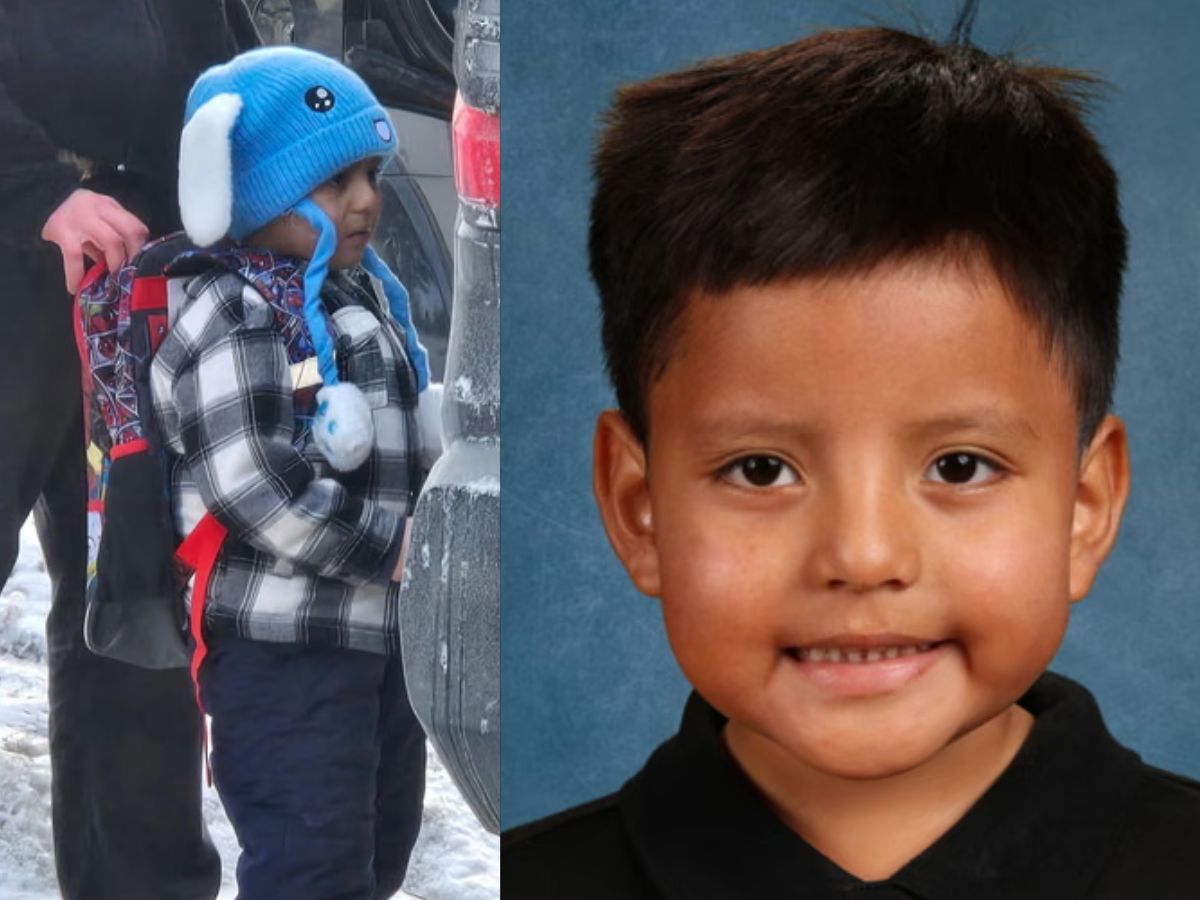
US immigration enforcement in Minnesota draws sharp criticism after a 5-year-old was detained [Photo: X]
A 5-year-old boy, Liam Conejo Ramos, detained by US immigration agents in Minnesota, has triggered nationwide outrage and renewed scrutiny of ICE enforcement tactics. The child was taken into custody alongside his father after returning home from preschool, turning a routine day into a traumatic arrest.
School officials, rights groups, and political leaders have condemned the action, saying it highlights the growing impact of immigration crackdowns on children. The case has raised serious questions about how and why minors are swept into enforcement operations.
It has also intensified debate over the Trump administration’s approach to immigration. As authorities defend the move, critics say the incident reflects a broader pattern that is spreading fear across immigrant communities.
The child at the centre of the controversy is Liam Conejo Ramos, a five-year-old who had just returned home from preschool in Columbia Heights, a suburb of Minneapolis. Liam and his father were taken into custody by US Immigration and Customs Enforcement (ICE) officers on Tuesday.
School officials and the family’s lawyer said the father and son have an active asylum case and are living legally in the United States. They had not received a removal order when the arrest happened.
Liam’s father is an Ecuadorian national who entered the United States legally and applied for asylum. His lawyer, Marc Prokosch, said the father does not have a criminal record and was complying with immigration requirements at the time of detention.
According to the family’s legal team, both the father and son had valid asylum cases pending. They were living openly in Minnesota and had not received a final deportation order.
After the arrest, ICE transferred the father and child to a family detention facility in Dilley, Texas, separating them from their community and school network in Minnesota. Lawyers and school officials say the move caused emotional distress and fear among local families.
ICE says children are not direct targets of enforcement actions. The agency argues that minors are detained only when they are with a parent or guardian who is arrested.
The Department of Homeland Security claims agents must ensure a child’s safety during an arrest. Officials say parents are often given a choice to either keep the child with them or arrange care with another adult.
Critics dispute this explanation. Immigration advocates argue that ICE operations increasingly affect children because agents arrest parents at homes, schools, and neighbourhoods. When this happens, children are pulled into the enforcement process.
School leaders and rights groups say these actions traumatize minors and discourage families from sending children to school or seeking medical help. The Minnesota case has renewed calls for limits on enforcement actions involving young children.
According to school officials, ICE agents stopped the family in their driveway moments after Liam got out of their car. Witnesses said the boy’s father was confronted by officers and then both were taken into custody.
Superintendent Zena Stenvik and other witnesses said that agents even directed the boy to knock on his own front door in an attempt to see if anyone else was inside — a claim Stenvik described as “essentially using a five-year-old as bait.”
Neighbours and school officials offered to take care of the boy during the arrest, but ICE reportedly refused those offers.
The Department of Homeland Security (DHS) rejected the accusation that the child was targeted. A DHS spokesperson said the agency was conducting a targeted operation to arrest Liam’s father and did not target the child. They also claimed the father fled and left the boy behind, prompting officers to stay with him for his safety.
DHS added that parents are normally given a choice to leave with their children or have the child placed with a designated caregiver.
The arrest has drawn national attention and strong reactions from political leaders. Former vice president Kamala Harris condemned the operation, saying, “Liam Ramos is just a baby. He should be at home with his family, not used as bait by ICE and held in a Texas detention centre. I am outraged, and you should be too.”
Democrats and advocacy groups have described the incident as a sign of harsh immigration enforcement that is harming children and families. At the same time, immigration enforcement officials and some conservative voices defended the action as part of broader efforts to target individuals without legal status.
Liam and his father were transported to a family detention facility in Dilley, Texas, far from their Minnesota home. The family’s lawyer and supporters say this separation has been traumatic and has caused fear in the local community.
A fundraiser launched to support Liam’s family has raised significant money quickly, highlighting widespread public sympathy and concern.
The incident has reignited debate over how the US enforces immigration laws, especially when children are involved. Critics argue that current tactics put vulnerable children at risk and harm communities. Supporters of strong enforcement argue that laws must be upheld even if families are involved.
What happens next may influence public opinion and policy decisions as the presidential election approaches and immigration remains a central issue in American politics.
