Who is Mojtaba Hosseini Khamenei? Meet the son of Iran’s late Supreme Leader Ali Khamenei, his background, family, influence, and rise to power.
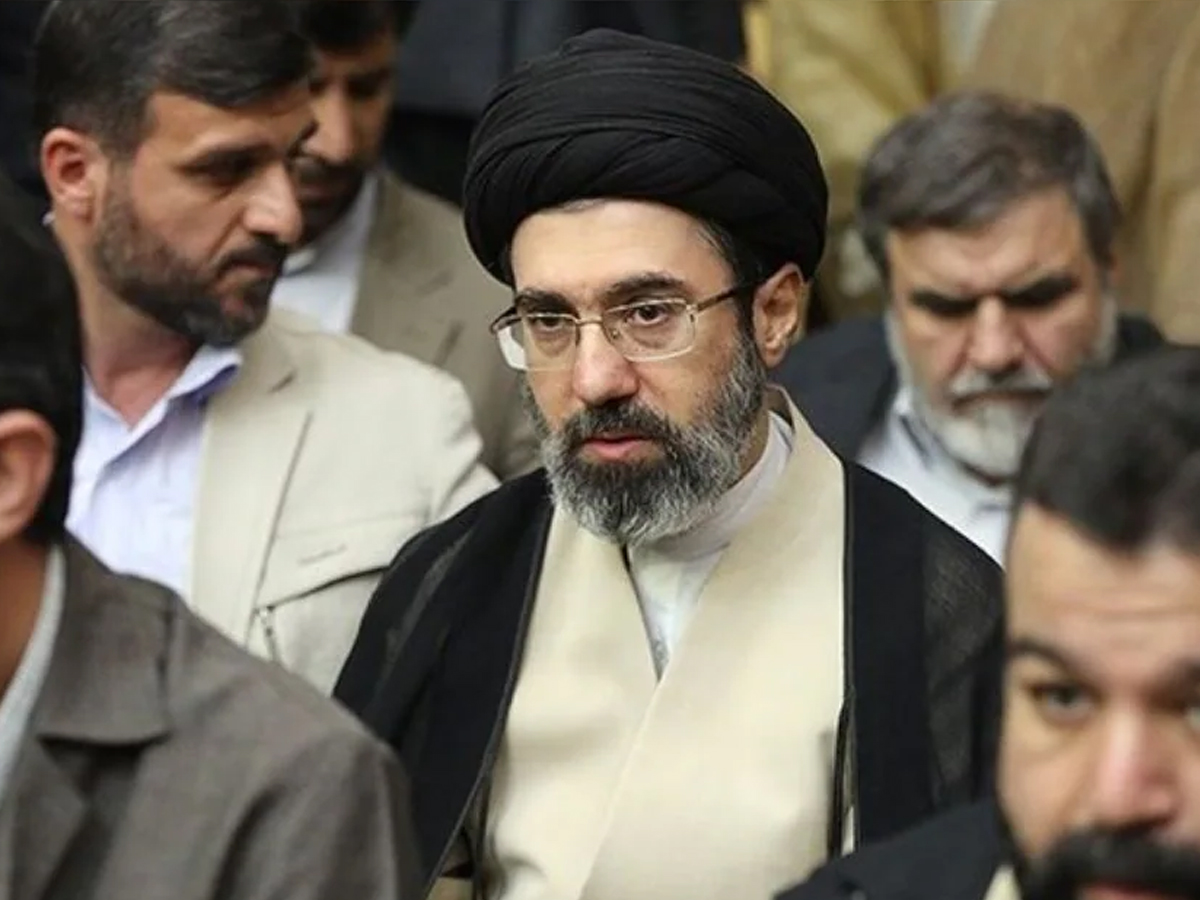
Critics argue that appointing the son of a former Supreme Leader creates the image of dynastic succession in a republic that was founded to oppose monarchy. (Photo: Social Media)
Iran faces a historic transition after the death of Supreme Leader Ali Khamenei in joint US-Israel strikes. Within days of the unprecedented development, Iran’s powerful clerical establishment reportedly moved to back his son, Mojtaba Hosseini Khamenei, as his successor.
The decision marks one of the most significant political shifts in the Islamic Republic since the 1979 revolution. But who exactly is Mojtaba Hosseini Khamenei, the low-profile cleric long believed to wield influence behind closed doors?
Mojtaba Hosseini Khamenei was born in 1969 in Mashhad, one of Iran’s holiest cities. He grew up during a turbulent time as his father emerged as a leading cleric opposing Shah Mohammad Reza Pahlavi. The 1979 Islamic Revolution transformed Iran’s political system and placed the Khamenei family at the center of power.
Unlike his father, Mojtaba avoided the spotlight for most of his life. He pursued religious education in Qom, Iran’s most important Shiite seminary hub. There, he attained the clerical rank of Hojjatoleslam. Although he does not hold the highest rank of ayatollah, analysts say he built strong networks within Iran’s religious and security institutions.
During his youth, Mojtaba reportedly served in the Iran-Iraq War. That experience helped him develop close ties with the powerful Islamic Revolutionary Guard Corps (IRGC), which remains a key pillar of Iran’s political and military structure.
Over the years, observers described him as a quiet but influential figure inside the Office of the Supreme Leader. Though he rarely delivered public speeches, many believed he influenced political appointments, election strategies, and high-level decisions.
Under Iran’s constitution, the Supreme Leader is chosen by the Assembly of Experts, a powerful clerical body. Following Ali Khamenei’s death, reports indicate the Assembly convened and supported Mojtaba’s elevation.
His rise has sparked debate inside and outside Iran. Critics argue that appointing the son of a former Supreme Leader creates the image of dynastic succession in a republic that was founded to oppose monarchy. Others question whether his clerical credentials meet the traditional expectations required for Iran’s highest religious authority.
Supporters, however, view him as a continuity candidate who can maintain stability during a volatile period marked by regional conflict and internal uncertainty.
Mojtaba Khamenei is married to Zahra Haddad-Adel, the daughter of a prominent conservative Iranian politician. The marriage strengthened his ties within Iran’s political elite and conservative networks. Despite his growing influence, the family has kept its personal life largely private.
Mojtaba and his wife have children, though they have remained out of public attention. The family avoids media appearances, and official details about their lives remain limited.
Public information about his son remains scarce, as the family maintains strict privacy regarding personal matters.
Similarly, little verified information exists about his daughter, reflecting the family’s preference to stay away from public scrutiny.
There are no officially confirmed figures regarding Mojtaba Khamenei’s net worth. Analysts note that members of Iran’s ruling elite often control vast networks of religious foundations and institutions, but transparent financial disclosures do not exist. Therefore, estimates about his wealth remain speculative.
As Iran enters a new chapter, Mojtaba Hosseini Khamenei’s leadership will shape the Islamic Republic’s political direction, its relationship with the security establishment, and its approach to domestic and foreign policy. Whether he continues his father’s legacy or charts a new path will define Iran’s future in the years ahead.
