
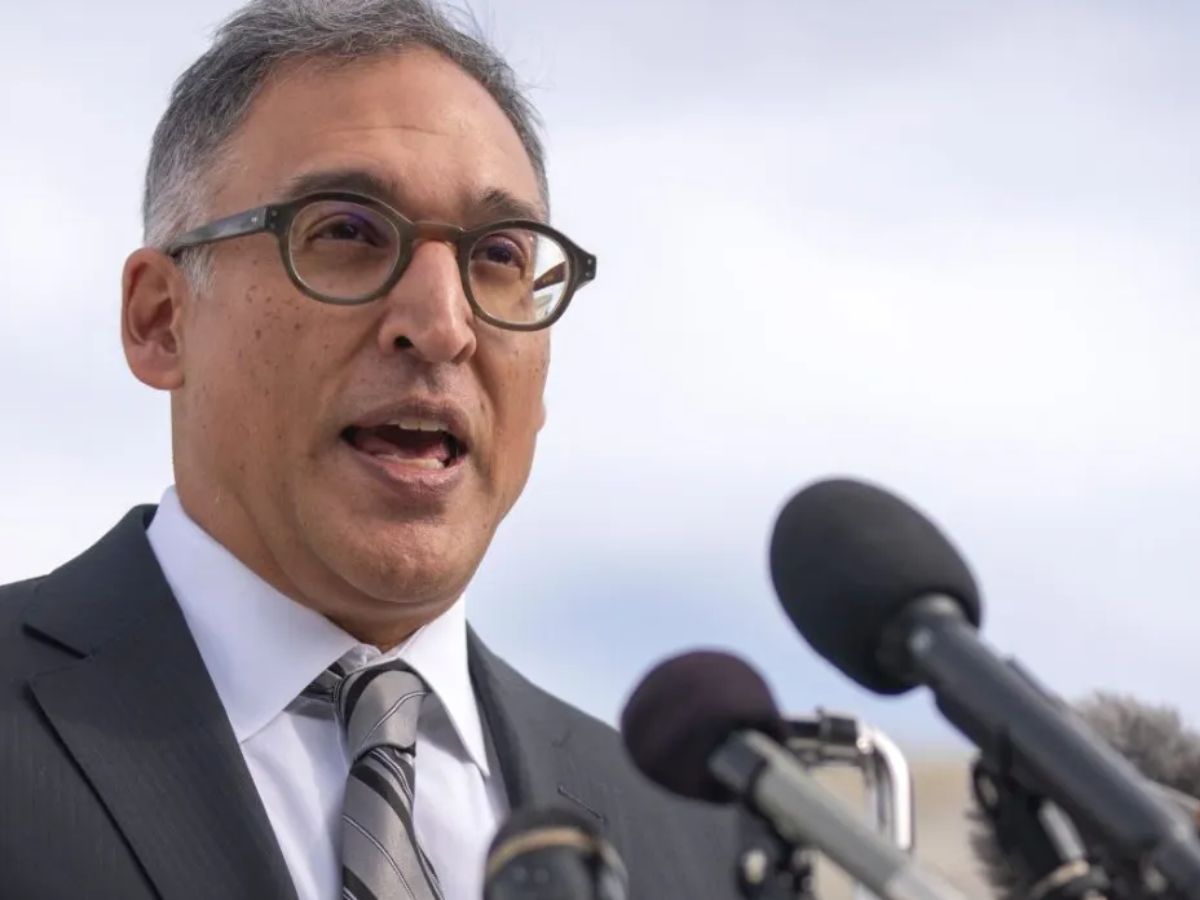
Born on March 12, 1970, Neal Kumar Katyal is a prominent American lawyer and legal scholar, currently a partner at Milbank LLP and the Paul and Patricia Saunders Professor of National Security Law at Georgetown University Law Center.
Neal Katyal was born in Chicago to Indian immigrant parents his father was an engineer and his mother a doctor. Over the years, he has become one of the most influential constitutional lawyers in the United States.
He studied at Dartmouth College and Yale Law School and later clerked for Justice Stephen Breyer of the US Supreme Court. In 2010, he was appointed Acting Solicitor General under President Barack Obama, becoming the lawyer who represented the US government before the Supreme Court.
Katyal has argued more than 50 cases before the Supreme Court, setting records as one of the most successful minority advocates in American legal history.
Neal Katyal Career Highlights: Top Supreme Court Lawyer and Legal Scholar
Currently, Katyal is a partner at Milbank LLP and serves as the Paul Saunders Professor at Georgetown University Law Center. His work focuses on constitutional law and complex appellate cases.
Some of his most notable legal battles include defending the Voting Rights Act of 1965, challenging Trump’s 2017 travel ban, and securing unanimous rulings in major environmental and national security cases. He also served as Special Prosecutor for the State of Minnesota in the George Floyd murder case.
Katyal is also the author of the book Impeach: The Case Against Donald Trump.
Awards and Recognition: Why Neal Katyal Is Among America’s Top Lawyers
Katyal has received the US Justice Department’s highest civilian honour, the Edmund Randolph Award. He was named Litigator of the Year by The American Lawyer in both 2017 and 2023. Forbes listed him among the top 200 lawyers in the United States in 2024 and 2025.
Impact of Supreme Court Ruling: Limits on Presidential Tariff Powers
Legal experts believe the ruling will significantly restrict a president’s ability to impose large-scale tariffs using emergency powers without approval from Congress.
Reflecting on the moment, Katyal said, “Just think about it like that. The son of immigrants was able to go to court and say on behalf of American small businesses, hey, this president is acting illegally.”
He added, “That is something so extraordinary about this country… you might be the most powerful man in the world, but you still can’t break the Constitution.”
Standing outside the Supreme Court, Katyal summed up the ruling by saying, “Presidents are powerful, but our constitution is more powerful still… only Congress can impose taxes on the American people. And that’s what tariffs are. Tariffs are taxes.”




