Nitai Roy Chowdhury, a seasoned lawyer and BNP vice‑chairman, becomes the sole Hindu minister in Bangladesh’s new cabinet under PM Tarique Rahman.
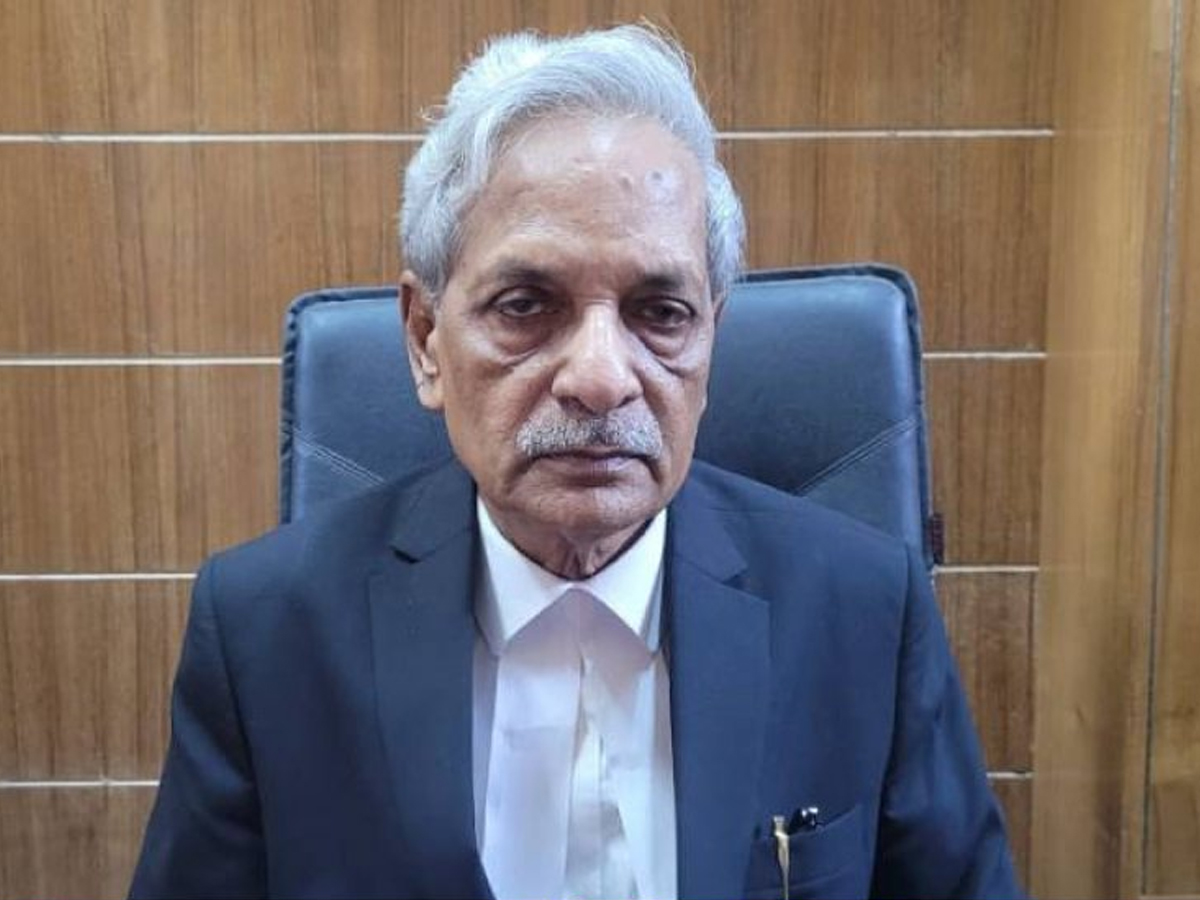
The swearing‑in ceremony took place after the BNP’s landslide win on February 12, which saw the party secure a commanding majority in the Jatiya Sangsad. (Photo: Social Media)
In the wake of a decisive victory by the Tarique Rahman‑led Bangladesh Nationalist Party (BNP) in the 2026 national elections, seasoned politician Nitai Roy Chowdhury has taken his oath as a minister in the newly formed government. Chowdhury stands out as the only Hindu leader in Rahman’s cabinet, reflecting his long political journey and growing role in national affairs.
The swearing‑in ceremony took place after the BNP’s landslide win on February 12, which saw the party secure a commanding majority in the Jatiya Sangsad. Rahman began his term as prime minister on February 17, surrounded by a 49‑member cabinet of ministers and state ministers.
Born in 1949 in the Magura district, Chowdhury is a veteran politician and lawyer with decades of experience in Bangladesh’s political landscape. He secured his seat as a Member of Parliament (MP) from the Magura‑2 constituency in the 2026 elections, defeating a candidate from the Jamaat‑e‑Islami party by a significant margin.
Before his current role, Chowdhury held leadership positions within the BNP, including serving as its Vice Chairman, a top role in the party’s central committee that helps shape strategy and policy.
He also served briefly in the early 1990s as the Minister of Youth and Sports under the Hussain Muhammad Ershad government, providing him with earlier governance experience.
Chowdhury’s inclusion as the sole prominent Hindu leader in the cabinet carries symbolic weight in Bangladesh’s political context. Minority representation in national governments has been a sensitive issue historically, and his appointment is seen by many observers as a sign that the new BNP administration intends to broaden its leadership base.
Alongside Chowdhury, other minority figures such as Dipen Dewan, a Buddhist leader, also took the oath, indicating an effort by the new government to reflect Bangladesh’s diverse social fabric.
Chowdhury graduated from the University of Dhaka, where he studied law before establishing a distinguished legal career. His background as a lawyer has influenced his work within the BNP and his legislative priorities as an MP.
His long tenure in politics and commitment to his party’s ideals have made him a respected figure among supporters, especially in the southern region of Bangladesh, where Magura lies.
While official ministerial portfolios for the new cabinet were still being finalised at the time of his swearing‑in, some reports suggest that Chowdhury is likely to take charge of the Ministry of Cultural Affairs, a role where he can influence national cultural policy and minority engagement.
His position in the cabinet is expected to be closely watched both domestically and internationally, as it may signal the government’s approach to inclusivity and minority rights in Bangladesh’s evolving political environment.
Chowdhury’s appointment underscores a pivotal moment in Bangladesh’s political journey, marked by the return of the BNP to power after years in opposition and uncertainty. As part of Rahman’s government, he joins a mix of seasoned politicians and new leaders tasked with reforming governance and representing diverse communities across the country.
For many Bangladeshis, his presence in the cabinet serves as a reminder that the political process reaches across communities, even as national debates over identity and representation continue to shape the country’s democratic trajectory.
