
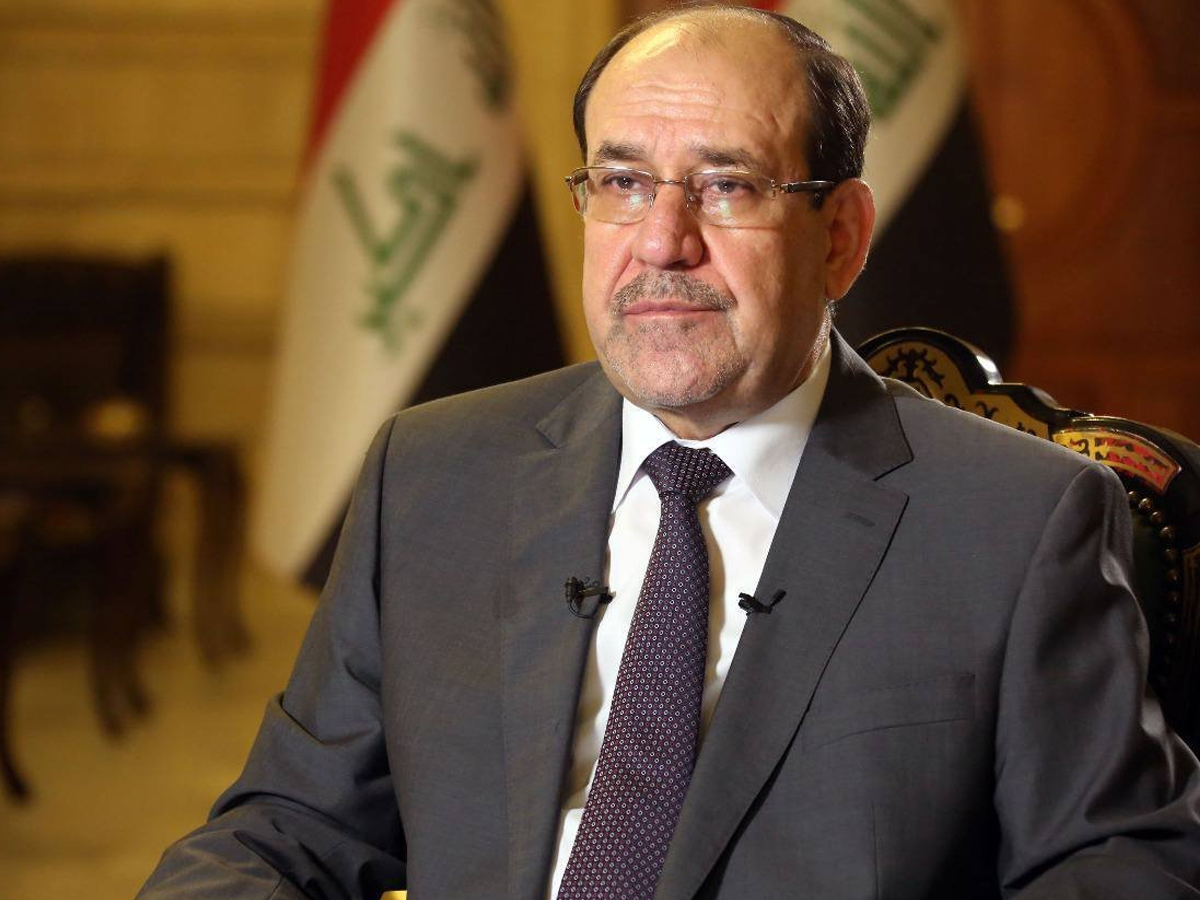
Iraq’s fragile political landscape is once again at a turning point. After months of uncertainty and regional upheaval, powerful Shia political blocs have rallied behind a familiar and controversial name, Nouri al-Maliki. His nomination as Iraq’s next prime minister has triggered intense debate at home and abroad, raising urgent questions about Iraq’s future stability, its ties with Iran and the United States, and whether the country is heading toward reform or repetition of past mistakes.
Who Is Nouri al-Maliki?
Nouri al-Maliki is one of the most influential and polarising figures in modern Iraqi politics. Now 75, he first rose to prominence after the 2003 US-led invasion that toppled Saddam Hussein. A longtime member and leader of the Islamic Dawa Party, al-Maliki became prime minister in 2006 at a time when Iraq faced violent insurgency, political fragmentation, and institutional collapse.
He went on to serve two consecutive terms, making him Iraq’s longest-serving leader since the invasion. Supporters credit him with centralising authority and keeping the state intact during turbulent years. Critics argue that his leadership deepened sectarian divisions and weakened democratic institutions.
How Nouri al-Maliki Connected with Saddam Hussain?
Nouri al-Maliki served as Iraq’s prime minister between 2006 and 2014 and emerged as one of the most influential Shiite leaders in the country’s post-Saddam era. A long-time adversary of Saddam Hussein, he played a decisive role in the former dictator’s fate by authorising his execution in 2006. Nearly two decades later, in early 2026, al-Maliki has once again been nominated by Iraq’s largest Shiite alliance as a contender for the top post, a move that has raised alarm in Washington because of his close ties with Iran.
Al-Maliki’s hostility toward Saddam’s Ba’athist regime dates back decades. In 1979, he fled Iraq to avoid persecution, spending years in exile in Iran and Syria while actively opposing Saddam’s rule from abroad.
After rising to power following the US-led invasion, al-Maliki presided over one of the most symbolic moments in modern Iraqi history. As prime minister, he approved Saddam Hussein’s death sentence and rejected calls to postpone the execution, which was carried out on December 30, 2006.
Although he stepped down in 2014 after the rise of ISIS, al-Maliki never disappeared from Iraq’s political landscape. By retaining influence within powerful Shiite blocs, he has now positioned himself for a possible political comeback in 2026, reigniting debate over Iraq’s future direction and its regional alignments.
Why Is Al-Maliki Back in the Spotlight Now?
On Saturday, the Shia Coordination Framework, an alliance that holds a parliamentary majority, announced al-Maliki as its nominee for prime minister, citing his “political and administrative experience and his role in managing the state”.
The move sets the stage for negotiations to form a new government at a time when Iraq faces mounting pressure from competing regional and global powers. Although al-Maliki stepped down in 2014 after ISIL seized large parts of Iraq, he never left the political core. Instead, he remained a key powerbroker, leading the State of Law coalition and shaping alliances behind the scenes.
His Role in Iraq’s Sectarian and Security Challenges
Al-Maliki’s legacy remains deeply contested. He played a central role in Iraq’s de-Baathification process, which removed former Saddam-era officials from public life. While intended to rebuild the state, the policy sidelined many experienced civil servants and fuelled Sunni resentment, contributing to instability.
He also maintains close ties with Iran-backed armed groups, including factions within the Popular Mobilisation Forces (PMF). Managing these groups remains one of Iraq’s biggest challenges, especially as Washington pushes for their dismantling and integration into the national army.
Regional Impact: Iran, Syria, and the US Factor
Al-Maliki’s potential return carries major regional implications. With Iran’s influence under pressure after major setbacks in Syria and the weakening of Hezbollah, Iraq has become Tehran’s most critical strategic ally. A third term for al-Maliki would likely keep Baghdad closely aligned with Iran, limiting Iraq’s independence in foreign policy.
His stance could also complicate relations with Syria’s new leadership. He has openly opposed engagement with Damascus and last year criticised interim President Ahmed al-Sharaa’s presence at a regional summit.
For the United States, al-Maliki’s return presents fresh challenges. Washington recently appointed a special envoy to Iraq, signalling renewed efforts to curb Iranian influence, an agenda al-Maliki is unlikely to support.
Why Many Iraqis Remain Concerned
Beyond geopolitics, many Iraqis worry that al-Maliki’s comeback reflects a deeper problem: a political system unable to renew itself. Critics warn that his leadership style could reinforce corruption, sectarian mobilisation, and shadow power networks.
Youth-led protests over the years have repeatedly called for accountability and systemic reform. Without meaningful change, many fear Iraq may repeat the same cycles that led to crisis in the past.




