Mass protests surge across Iran after exiled Crown Prince Reza Pahlavi’s call, despite internet blackout and deadly crackdown, exposing deep economic and political unrest.
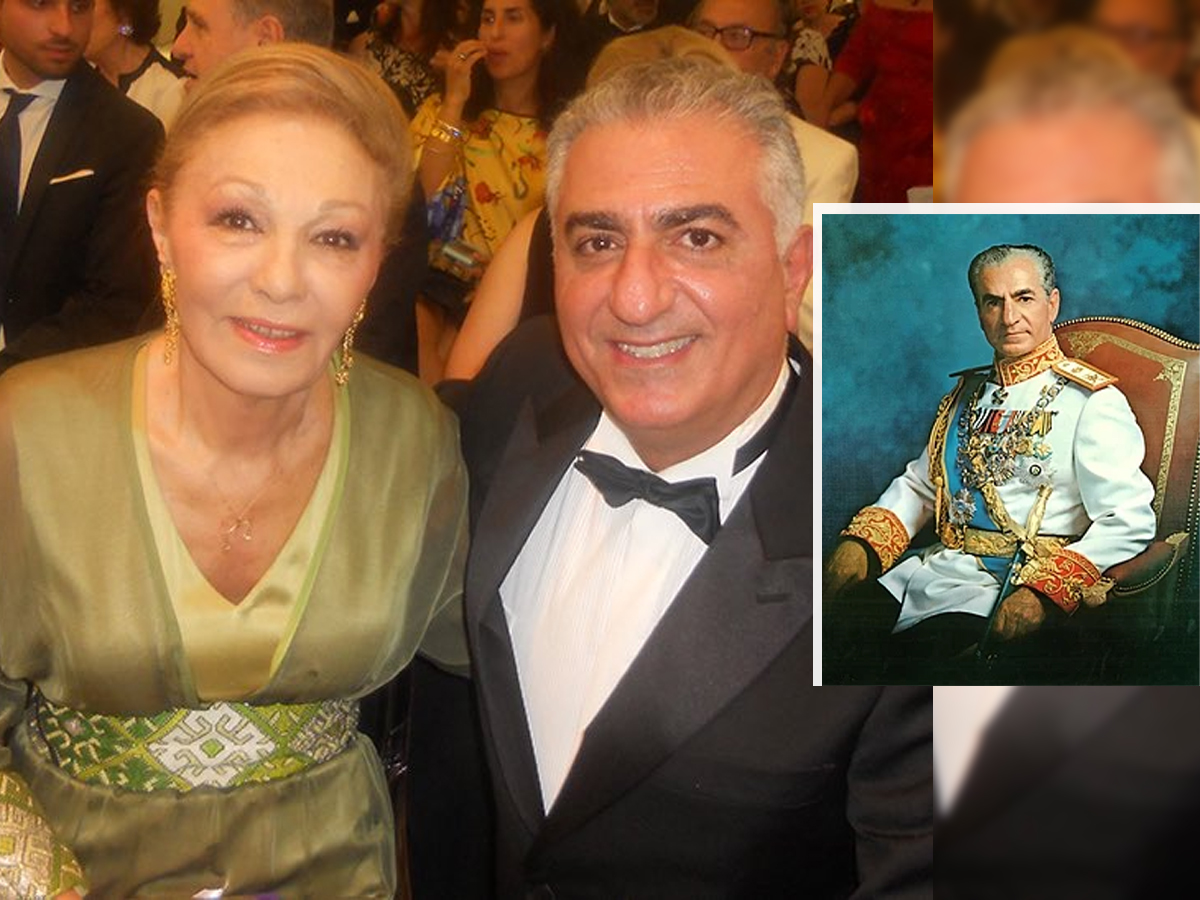
Pahlavi’s message encouraged widespread participation and was seen as a pivotal moment in the ongoing unrest.
Protests continued across Iran on Friday as crowds defied a nationwide internet and phone blackout to voice anger at the clerical government. Thousands flooded the streets in Tehran and cities across the country after exiled Crown Prince Reza Pahlavi urged Iranians to demonstrate, marking one of the largest visible challenges to the Islamic Republic in years. Chanting anti-regime slogans and gathering in neighbourhoods and bazaars, demonstrators showed growing frustration with economic hardship and political repression.
The Iranian government responded swiftly by cutting internet access and international phone services, effectively isolating the country from outside communication and limiting coordination among protest groups. Despite these restrictions, activists and on-the-ground witnesses reported scenes of large crowds shouting “Death to the dictator!” and “Long live the shah!” in both urban and rural centres.
به تکتک شما که پنجشنبهشب (١٨ دی)، خیابانهای سرتاسر ایران را تسخیر کردید، افتخار میکنم. دیدید که جمعیت انبوه، باعث عقبنشینی نیروهای سرکوب میشود. آنهایی که تردید داشتید، جمعهشب (١٩ دی-ساعت ٨) به دیگر هممیهنان بپیوندید، و جمعیت را بیشتر کنید تا توان سرکوب رژیم از این هم… pic.twitter.com/ZOiCiH4rng
— Reza Pahlavi (@PahlaviReza) January 9, 2026
Markets, including the Grand Bazaar in Tehran, remained shut in solidarity with demonstrators as the unrest entered its second week. At least 42 people have been killed and more than 2,270 detained in the protests, according to rights groups tracking the crackdown.
Reza Pahlavi is the son of Iran’s last monarch, Mohammad Reza Pahlavi, who was ousted during the 1979 Islamic Revolution. Now living in exile in the United States, Pahlavi has spent decades advocating for democratic change from abroad. Earlier this week, he issued a rare public call for coordinated demonstrations, asking Iranians to chant slogans against the regime at fixed times in neighbourhoods and from their homes.
Pahlavi’s message encouraged widespread participation and was seen as a pivotal moment in the ongoing unrest, which began in late December over a collapsing economy, skyrocketing inflation, and the plunge of the national currency.
Though many previous protests lacked a unifying figure, this call was aimed at signalling a more organised push against the clerical leadership. Analysts say this is the largest test yet of Pahlavi’s influence over domestic dissent, after years of Iranian state efforts to portray him as out of touch with ordinary citizens.
Reza Pahlavi, Iran’s exiled Crown Prince, has been living in the United States since 1978–1979. He resides in the Washington, D.C. area, specifically Potomac, Maryland, and continues to advocate for a democratic and secular Iran while in exile.
Iran’s internet blackout aimed to stifle communication as protests gained momentum in major cities. Landline and mobile calls from abroad went unanswered. Such communication shutdowns have historically been used before major crackdowns, raising fears that Tehran is preparing harsher measures to quell dissent.
The state media also alleged that violence and fires during the protests were instigated by “terrorist agents” of foreign powers such as the United States and Israel, claiming there were “casualties” without providing specific figures, a narrative Tehran often uses to justify repression.
The protests initially ignited in Tehran’s Grand Bazaar, where shopkeepers condemned the freefall of the Iranian rial and spiralling prices of food and basic goods. What began as an economic grievance has evolved into broader anti-government anger, with demonstrators increasingly criticising Supreme Leader Ayatollah Ali Khamenei’s authority and theocratic policies that have dominated Iran for decades.
For many Iranians, slogans calling for Pahlavi’s return, such as “This is the last battle, Pahlavi will return!”, capture both their frustration with the present and nostalgia for a past before the Islamic Republic. Such chants, once punishable by death, echo a deep-seated desire for systemic change among large sections of the population.
The protests have drawn international attention, with former US President Donald Trump warning that America “will come to their rescue” if Tehran violently suppresses peaceful demonstrators. Trump reiterated this stance in recent comments, asserting that Iran “has been told very strongly… that if they do that, they’re going to have to pay hell.” Despite these threats, Iranian leaders have defended their crackdown and warned against foreign interference, framing the unrest as internal affairs and rejecting external pressure.
Western governments and human rights groups are calling for greater measures to protect protestors and restore communication lines, as Iran’s blackout continues to hinder free expression and reporting from within the country.
