Sanae Takaichi’s landslide election win gives her rare control of Japan’s lower house, reshaping domestic policy and regional diplomacy.
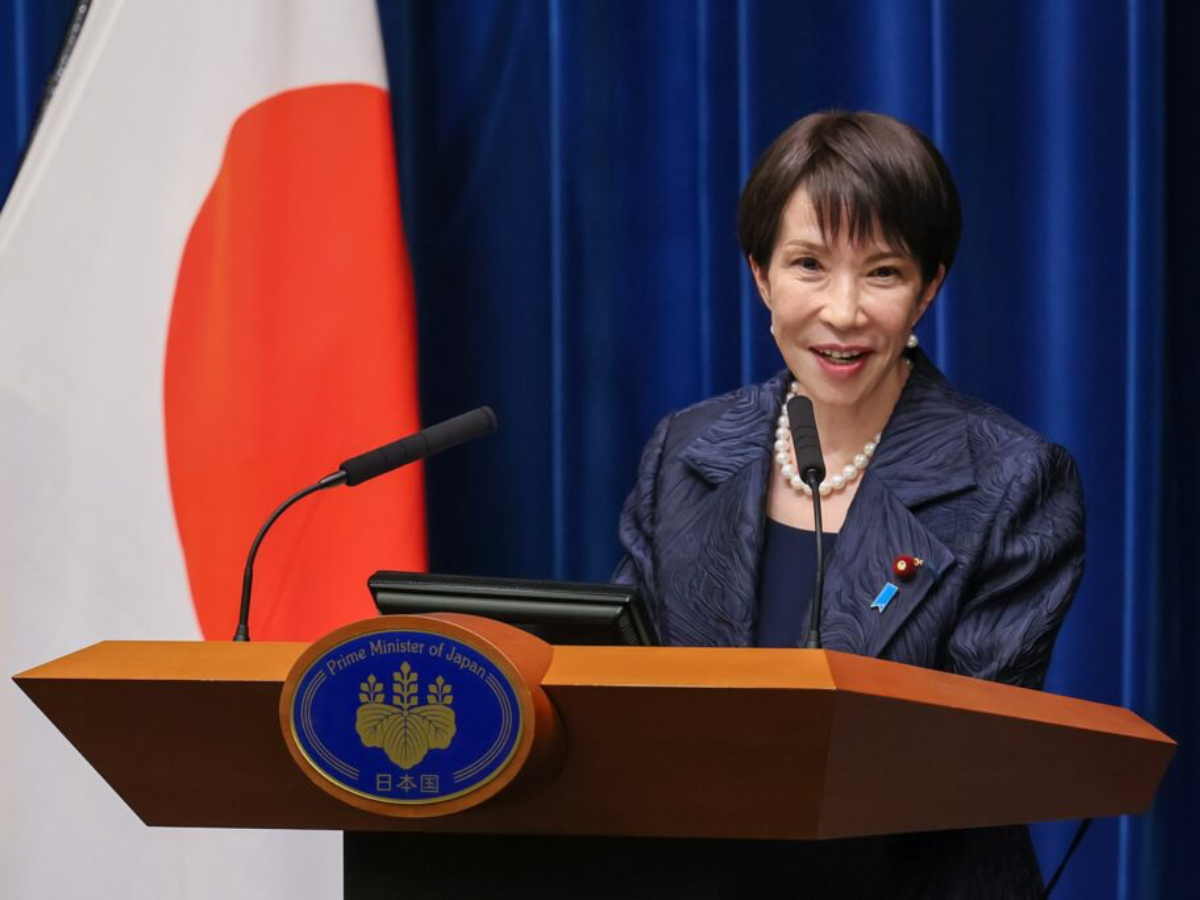
Japan’s Prime Minister Sanae Takaichi waves to supporters after exit polls project a decisive lower house victory (Photo: X)
Japan's winter election has redefined the narrative of the country's politics. Sanae Takaichi's rise to prominence is not simply the changing of the guards rather, it signals a watershed moment in the politics of a country that has always adhered to tradition and continuity. The robust mandate that the policymaker possesses is a desire for decisive politics at home and abroad.
Exit polls and preliminary early counts show Takaichi’s Liberal Democratic Party–led alliance crossing the two-thirds mark in the 465-seat lower house. Public broadcaster NHK reported the LDP alone securing 244 seats, well above the 233 needed for a simple majority with coalition backing, projections place the bloc near 320 seats, giving it rare legislative dominance.
Among the first foreign leaders to congratulate Takaichi was Taiwanese President Lai Ching-te, who said her victory manifested public trust and his note expressed hope for greater cooperation on regional stability with a message being closely watched especially amid the growing cross-strait tensions.
From Washington, US Treasury Secretary Scott Bessent welcomed the result, describing Takaichi as a reliable partner and he said a strong Japan strengthens US influence in Asia, noting her close ties with former President Donald Trump and her support for deeper economic and security coordination.
She is often referred to as the "Iron Lady of Japan" and her reputation stems from her disciplined efforts and unambiguous ideologies. She is a seasoned politician known for being a conservative politician with strong policy opinions regarding national security, economic well-being and the strengthening of the nation.
Born in Nara in 1961, Takaichi studied business administration in Kobe University and later also attended a fellowship congress in the United States. Aside from her politics career, she has confessed openly to her unusual interests that are seldom shared by various Japanese officials, such as motorcycling and music, giving her a more personable and human side.
Her elevation marks a historic first for Japan while women remain underrepresented in national politics, Takaichi’s victory breaks a symbolic barrier, even as she insists her rise is rooted in policy credentials rather than gender milestones.
Sanae Takaichi is married to Taku Yamamoto, a former Liberal Democratic Party lawmaker and they married in 2004, divorced in 2017 and remarried in 2021.
As of 2026, her estimated net worth ranges between $2 million and $4 million. Public disclosures indicate her income comes primarily from official salaries, book royalties and regulated investments, placing her well below the wealth levels seen among political elites in some major economies.
