
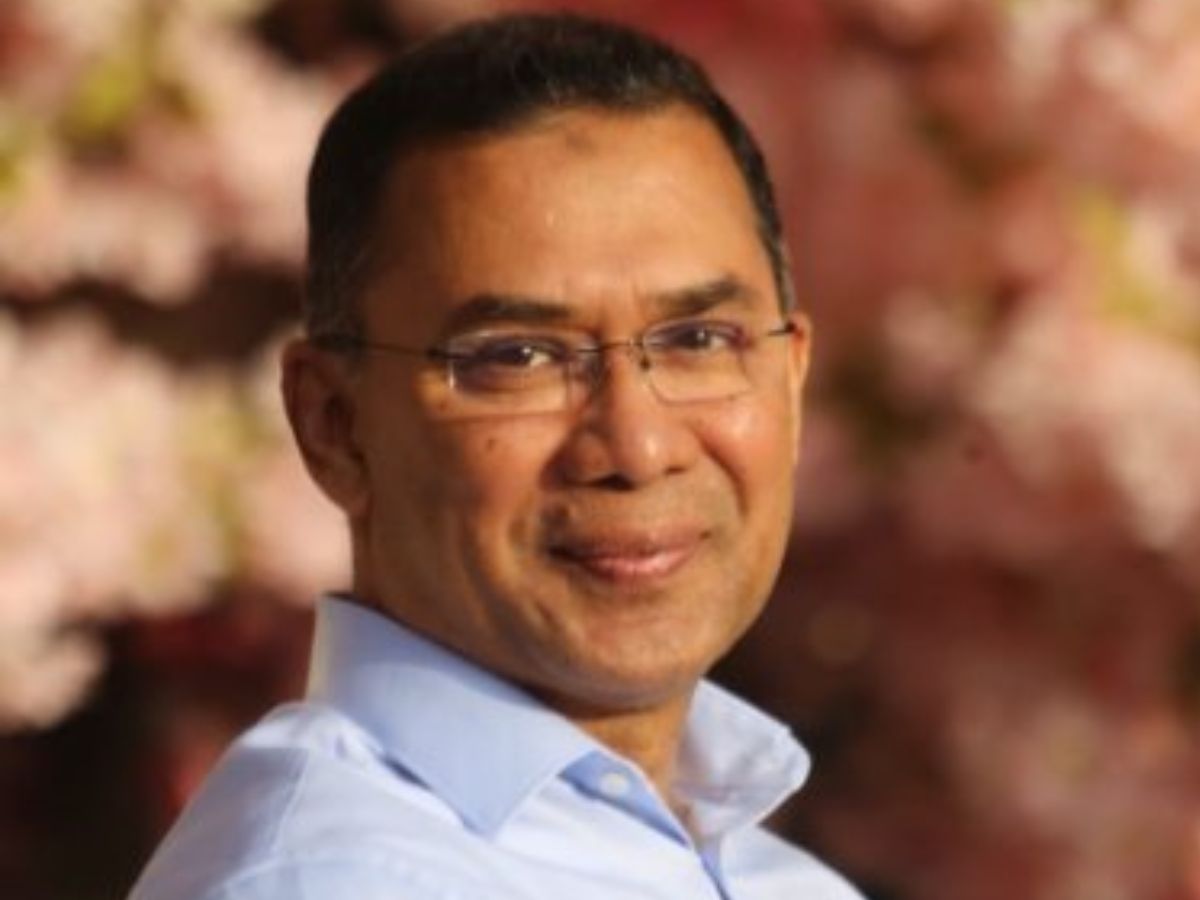
Bangladesh: Tarique Rahman and his Bangladesh Nationalist Party (BNP) have secured a landslide victory in the Bangladesh general elections held on February 12, 2026. Tarique Rahman personally won both seats he contested, Dhaka-17 and Bogura-6, with significant margins.
Undeclared results show the BNP and its allies winning at least 211 seats out of 299, comfortably crossing the 151-seat threshold for a simple majority.
A coalition led by his Bangladesh Nationalist Party crossed the halfway mark in early vote counting on Friday, local broadcaster Ekattor Television reported.
As the chairperson of the BNP, Rahman is set to become the next Prime Minister of Bangladesh. Less than two months after returning from nearly two decades of self-imposed exile in London, Tarique Rahman has re-emerged as the dominant face of Bangladeshi politics.
Who is Tarique Rahman?
Tarique Rahman was born on November 20, 1965, in Dhaka, into one of Bangladesh’s most powerful political families. He is 60 years old and is the son of BNP supremo and former Bangladesh prime minister Khaleda Zia.
What is Tarique Rahman family’s political background?
He is the son of former president and military ruler Ziaur Rahman, who later served as prime minister, and former prime minister Khaleda Zia. Both played defining roles in shaping Bangladesh’s post-independence political landscape.
Tarique Rahman educational background
Tarique Rahman studied at BAF Shaheen College before enrolling at the University of Dhaka, where he pursued law and international relations. He later moved away from academics to focus on business ventures in textiles and shipping.
When did Tarique Rahman enter in politics?
Tarique Rahman formally entered politics in 1988, joining the BNP at the upazila level in Gabtali, Bogra. This marked the beginning of his steady rise within the party.
How did Tarique Rahman rise within the BNP?
Tarique Rahman moved rapidly through party ranks, becoming senior joint secretary general and later acting party chief when Khaleda Zia’s imprisonment and failing health kept her away from active politics. Supporters saw him as the natural political heir to the Zia legacy.
Why did Tarique Rahman leave Bangladesh?
Tarique Rahman left Bangladesh in 2008 amid corruption charges and what he described as political persecution. Before departing, he submitted a handwritten resignation letter at the airport, stepping down from his party role and announcing a withdrawal from active politics.
What happened during Tarique Rahman arrest and exile?
He was arrested in 2007 during an anti-corruption drive by a military-backed caretaker government. Later released on medical grounds, he travelled to London for treatment, alleging poor conditions in detention. During exile, he lived in Kingston with his wife, Zubaida Rahman, and daughter, Zaima Rahman.
What legal cases did Tarique Rahman face in exile?
Under the 15-year-long rule of Sheikh Hasina, Tarique Rahman has been convicted in multiple cases of corruption and terrorism charges. Tarique Rahman and his followers always claimed that all the convictions were politically motivated.
What changed after Sheikh Hasina’s fall in 2024?
However, after Hasina lost power in 2024, the verdicts against Rahman were overturned. This cleared the way for Rahman’s return to Bangladesh in December 2025.
How did Tarique Rahman return reshape Bangladesh politics?
With Rahman’s return, the political scenario was completely transformed. He assumed command of the BNP and led them to national elections, thus returning to active politics. In a tragic turn of events, Khaleda Zia passed away just days after Rahman’s return.
What role did Tarique Rahman play in the 2026 election campaign?
Since returning on December 25, the 60-year-old has been the face of the BNP campaign. His rallies attracted huge crowds and helped revive the ailing BNP, which has been weakened by arrests, splits, and a disconnect from voters over the years.
What leadership challenges does Tarique Rahman face?
Despite strong symbolism and legacy appeal, Rahman faces organisational challenges. Years of remote leadership left structural gaps, while discipline issues and incidents involving party activists have raised concerns among observers.
Were there controversies during Tarique Rahman campaign?
Yes. Several of Rahman’s claims were fact-checked. One notable example was his statement that Faridpur district produces soya beans in large quantities, which later proved incorrect.
Party insiders acknowledge the flaws but say Rahman’s campaign performance will improve over time. They believe his leadership skills and political judgment will strengthen as he settles into power.




