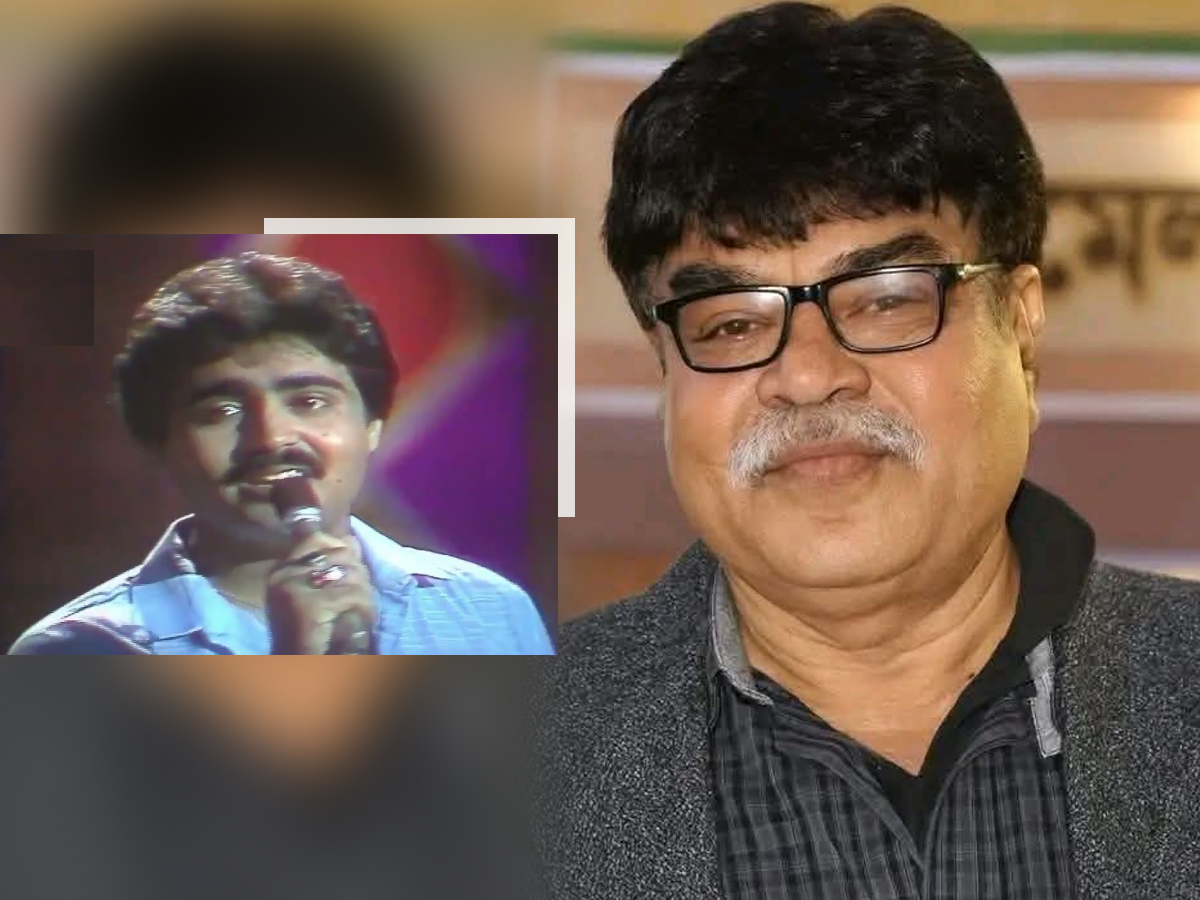
Chaki served as the cultural affairs secretary of the Awami League’s Pabna district unit and had been actively involved in cultural movements since the 1990s. (Photo: Social Media)
The death of Proloy Chaki, a well-known Bangladeshi Hindu singer and political activist, has triggered fresh debate over political repression and minority safety in Bangladesh. Chaki, a musician and a leader of the Awami League, died on Sunday night while in police custody, raising serious concerns among his family and supporters.
While authorities have described his death as natural, his family has alleged negligence and lack of medical care during his detention. The incident comes amid growing unrest in Bangladesh, where political violence and attacks on minorities have intensified following the ouster of former Prime Minister Sheikh Hasina.
Proloy Chaki was more than a political figure. He was a popular musician, cultural activist, and a prominent organiser of the Awami League in northern Bangladesh. For decades, he used music and cultural programmes to mobilise people and promote secular and progressive values.
Chaki served as the cultural affairs secretary of the Awami League’s Pabna district unit and had been actively involved in cultural movements since the 1990s. His songs and performances made him a familiar name in local cultural circles, especially among minority and progressive communities.
In December, police arrested Chaki in connection with a case related to an explosion during the 2024 protest movement that eventually led to Sheikh Hasina’s removal from power. According to his family, Chaki was taken into custody even though he was not named in the case at the time of arrest.
His detention occurred during a period of widespread crackdowns on political opponents linked to the Awami League, as the country transitioned under interim leader Muhammad Yunus.
Officials claimed that Chaki suffered from long-standing health issues. Pabna Jail Superintendent Md Omar Faruk said Chaki had diabetes and heart disease.
“He suffered a cardiac arrest and was first taken to Pabna General Hospital on Friday. As his condition deteriorated, he was shifted to Rajshahi Medical College Hospital, where he died around 9:00 pm (yesterday),” Faruk said.
Chaki, aged 60, died at Rajshahi Medical College Hospital after being moved from jail custody for treatment.
Chaki’s family has strongly rejected the administration’s version. His son, Sony Chaki, accused jail authorities of failing to provide timely medical care.
“My father had been suffering from diabetes and heart disease for a long time. His condition worsened in jail, but the authorities did not officially inform us. We rushed to the hospital after being informed by others, but he did not receive proper treatment, which led to his death,” Sony Chaki said.
The family also alleged that they had to intervene personally to get him admitted to the hospital.
Chaki’s death has occurred during a turbulent phase in Bangladesh. Reports indicate targeted attacks on religious and ethnic minorities, political opponents, cultural institutions, and media organisations.
Mobs have vandalised museums and memorials linked to Sheikh Mujibur Rahman, attacked the office of cultural group Udichi Shilpigosthi, and targeted diplomatic missions, including those linked to India.
Against this backdrop, Chaki’s custodial death has become a symbol of wider fears about political suppression, minority rights, and shrinking space for cultural expression.
Proloy Chaki represented the intersection of culture, politics, and minority identity in Bangladesh. His passing has not only left a void in the country’s cultural landscape but has also intensified questions about accountability, rule of law, and the treatment of political detainees.
As calls grow louder for an independent inquiry, Chaki’s life and death continue to resonate far beyond music — as a reminder of the risks faced by voices of dissent in times of political upheaval.
