Tesla VP of Finance Sendil Palani steps down after 17 years at the EV giant. Here’s who he is, his career at Tesla, net worth and who may become the next VP.
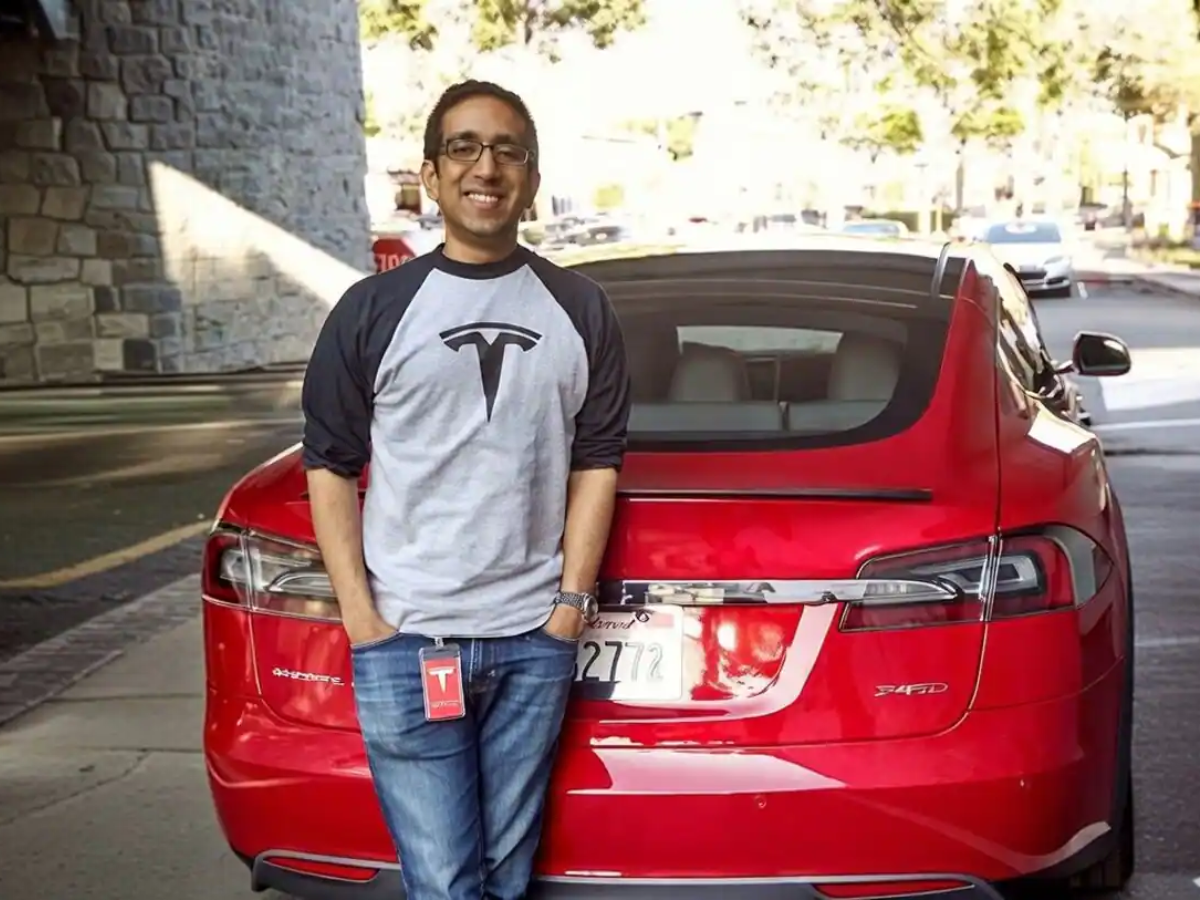
In response to Palani’s announcement on social media, Tesla CEO Elon Musk thanked him for his long contribution to the company. (Photo: X/sendilpalani)
Tesla is witnessing another major leadership change as its Vice President of Finance, Sendil Palani, announced that he is leaving the electric vehicle company after nearly two decades. The senior executive shared the update on March 9, ending a 17-year journey with Tesla that began when the company was still struggling to survive in its early days.
Palani’s departure comes at a time when Tesla is shifting its focus beyond electric vehicles and investing heavily in artificial intelligence, robotaxis and humanoid robotics. His exit also adds to a growing list of high-profile executives who have left the company in recent years.
In response to Palani’s announcement on social media, Tesla CEO Elon Musk thanked him for his long contribution to the company.
“Thanks for an epic contribution over many years!”
Thanks for an epic contribution over many years!
— Elon Musk (@elonmusk) March 9, 2026
Sendil Palani is a longtime Tesla executive who played a key role in the company’s financial operations and manufacturing strategy. He joined Tesla in 2008 when the company was still in its early and uncertain stages.
Over the years, he held multiple leadership roles and eventually rose to become Tesla’s Vice President of Finance in 2021.
Palani reflected on his long journey at Tesla in a post on X, describing how difficult the company’s early days were.
“My latest chapter at Tesla has come to a close.”
After seventeen incredible years, my latest chapter at Tesla has come to a close. Words won’t do justice to how fulfilling the experience has been, but I’ll try anyway:
— Sendil Palani (@sendilpalani) March 9, 2026
Tesla barely survived Christmas 2008. I started a few days later in our Finance team, under an ongoing “Tesla…
He also recalled how close the company once came to collapse during the financial crisis.
“I slept under my desk in San Carlos, CA, at least once, and I wasn’t the only one,” Palani wrote while describing the intense work environment during Tesla’s early struggles.
Tesla has not yet announced who will replace Sendil Palani as Vice President of Finance.
Industry observers expect the company may either promote an internal executive with experience in Tesla’s financial operations or recruit an external candidate with expertise in global manufacturing and technology finance.
The next finance leader will likely play a critical role as Tesla invests heavily in AI development, robotics and autonomous transportation systems.
As Tesla continues to evolve from a car manufacturer into a broader technology company, leadership decisions in areas like finance and strategy will remain crucial for its future direction.
Sendil Palani began his Tesla career as a Senior Financial Analyst in 2008. At the time, Tesla was still trying to establish itself in the electric vehicle market.
After his initial stint, Palani returned to Tesla in 2014 and started working as a Manufacturing Project Manager. Over the next several years, he steadily climbed the corporate ladder.
His leadership journey at Tesla included several key roles:
During his time with the company, Palani helped oversee financial operations during Tesla’s rapid global expansion, including the construction of major gigafactories and the scaling of EV production.
While reflecting on Tesla’s culture, Palani praised the dedication of its workforce.
He said many companies have hardworking teams, but “few have the level of commitment and collaboration of the Tesla team.”
He also credited Elon Musk’s leadership, mentioning the CEO’s “endless love of humanity.”
Although Tesla has not publicly disclosed Sendil Palani’s personal wealth, analysts estimate that his net worth likely runs into several million dollars.
Executives at Tesla often receive compensation packages that include stock options and performance-based incentives. Considering Tesla’s massive growth over the past decade, long-term employees who held senior positions have often benefited from the company’s rising valuation.
Palani’s long tenure at Tesla during its most transformative years likely contributed significantly to his overall financial success.
Palani’s exit comes during a period of change inside Tesla.
The company is shifting its long-term strategy toward artificial intelligence, autonomous driving, robotaxi services and humanoid robots such as the Optimus project.
At the same time, Tesla’s core electric vehicle business has faced challenges. Reports suggest the company’s EV sales have declined for two consecutive years amid slowing demand in key markets like the United States.
Several senior executives have also left Tesla in recent years, including software engineering vice president David Lau and other high-ranking leaders connected to major technology programs.
These departures have drawn attention as the company undergoes a major transition toward new technologies.
