After US-Israel strikes near Khamenei’s office, Iran’s leadership succession gains focus. Explore potential successors, selection process, and why it matters now.
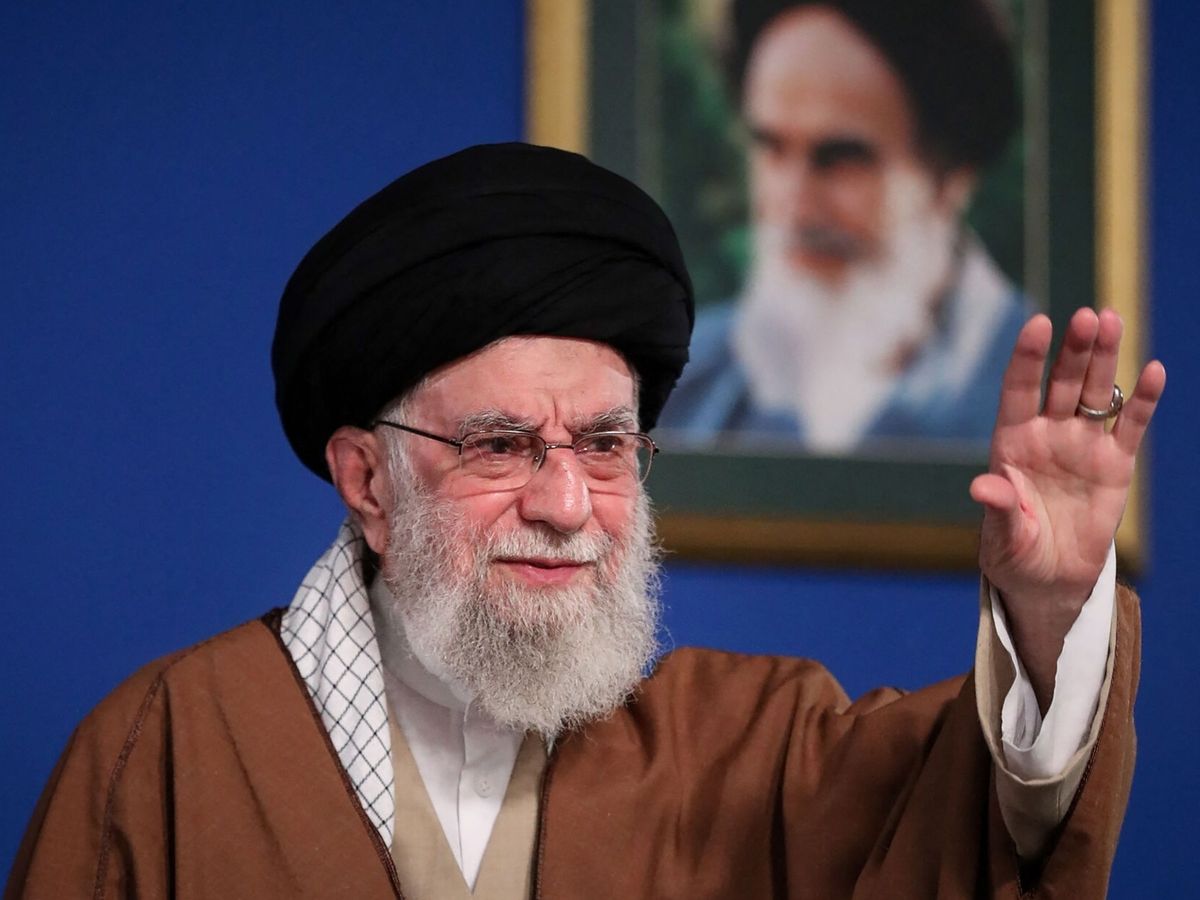
After US-Israel strikes near Khamenei’s office, Iran’s leadership succession gains focus [Photo: X]
After the United States and Israel launched heavy airstrikes on Iran, including explosions near the offices of Supreme Leader Ayatollah Ali Khamenei, attention has shifted to a question that could shape Tehran’s future: who would lead Iran if Khamenei is incapacitated or removed? The strikes have revived global interest in Iran’s internal power structure and the process by which a new supreme leader is chosen.
Iran’s supreme leader holds the most power in the Islamic Republic. He controls the armed forces, security services and key institutions, and shapes the country’s foreign and domestic policies. Khamenei, 86, has led Iran since 1989, and his long tenure has weathered crises, wars and political turmoil.
There have been widespread reports on social media and some foreign news outlets claiming that Ayatollah Ali Khamenei may have been killed in the strikes, largely due to explosions near his office complex.
However, Iranian officials have firmly denied those claims, stating that Khamenei is alive and has been moved to a secure location for safety. As of now, the supreme leader’s condition remains officially unchanged, though uncertainty persists due to the chaotic nature of the attacks and conflicting reports.
Under Iran’s constitution, the Assembly of Experts, a powerful clerical body of 88 senior Islamic scholars, is responsible for choosing the next supreme leader.
This group, whose members themselves must be approved by another powerful body, the Guardian Council, would convene to select a new leader if Khamenei can no longer serve. There is no automatic heir, and no single successor is guaranteed.
Here are the key figures often mentioned as possible successors if Khamenei’s position weakens or he is unable to lead:
Qomi is considered a close adviser to Khamenei himself. As a trusted insider with deep access to the supreme leader’s network, he could help maintain continuity of the clerical establishment’s agenda.
Arafi is a senior cleric with leadership roles in both the Assembly of Experts and the Guardian Council. He also heads Iran’s seminary system, giving him broad credibility in the religious hierarchy.
A long‑time member of the Assembly of Experts, Araki’s theological influence and institutional experience make him a serious contender, especially among conservative circles.
Currently, Iran’s judiciary chief and former intelligence official, Ejei, has strong ties to security apparatuses and political elites, traits that appeal to hardliners within Iran’s power structure.
Bushehri serves as Friday prayer leader in Qom and sits on the Assembly of Experts. His religious standing and visibility make him another possible successor, though he is less frequently mentioned in public speculation.
Iran’s constitution empowers a clerical body called the Assembly of Experts to select and oversee the supreme leader. This 88‑member group of senior clerics vets candidates, holds internal votes, and approves who will take over when the position becomes vacant. The assembly itself is tightly controlled, and candidates are pre‑approved by the powerful Guardian Council, whose members are picked with Khamenei’s influence.
Succession in Iran is not automatic, hereditary, or publicly transparent. Instead, it unfolds behind closed doors among clerical elites, and the choice often reflects a balance of theological standing, political loyalty, and institutional backing within Iran’s ruling establishment.
In addition to clerical contenders, recent assessments by U.S. intelligence have highlighted another scenario: if Khamenei were killed or significantly weakened by military action, leadership could pass to hardline figures within Iran’s Islamic Revolutionary Guard Corps (IRGC). This would mark a shift away from purely clerical succession and toward military‑influenced control, reaffirming the IRGC’s dominance in Iran’s defence and political establishment.
U.S. assessments have underscored that if regime change became a goal of foreign intervention, the IRGC, which commands loyalty across Iran’s armed forces, would be well‑positioned to assert influence over any emerging leadership vacuum.
With the world watching and Iran under unprecedented military pressure, the leadership question is not just academic. A transition in Tehran could affect:
For many analysts, the choice of successor will signal whether Iran continues under traditional clerical rule, or whether a more militarised, IRGC‑driven leadership takes the helm.
