
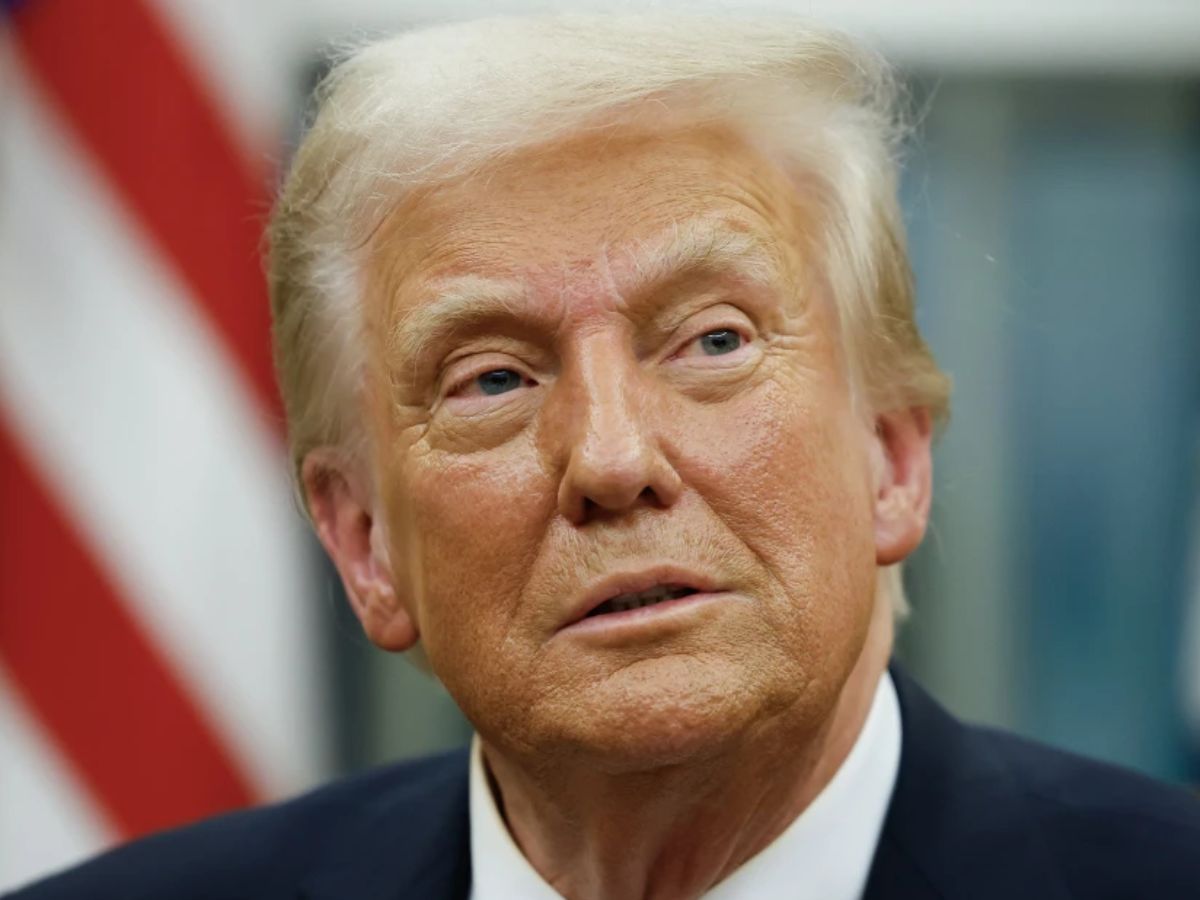
US President Donald Trump has signed a presidential memorandum ordering the United States to pull out of 66 international organizations and treaties. These include the United Nations Framework Convention on Climate Change (UNFCCC) and the Intergovernmental Panel on Climate Change (IPCC).
This decision means the United States, which is the world’s largest historical polluter, will no longer be part of the main global agreement to fight climate change or the scientific system that studies it. As a result, the U.S. will no longer contribute its fair share toward reducing global warming or helping developing countries with climate finance for clean energy, emissions cuts, and climate adaptation.
Why Does Trump Direct US Withdrawal From 66 Organisations?
Most of the organisations targeted by the Trump administration are linked to the United Nations. They focus on issues such as climate change, labour rights, and social policies that the administration has described as promoting diversity and “woke” agendas.
The US State Department said these bodies are viewed as wasteful, poorly managed, and not serving America’s interests. It argued that many of them are either unnecessary or working in ways that go against US sovereignty, freedom, and economic well-being.
This decision also comes at a time when the Trump administration has taken an aggressive stance on global affairs. It has launched military actions and issued strong warnings that have unsettled both allies and rivals. These include the detention of Venezuela’s leader Nicolás Maduro and statements about possibly taking control of Greenland.
Earlier, the administration had already cut support for several major UN agencies, such as the World Health Organization, the UN agency for Palestinian refugees, the UN human rights council, and Unesco. Instead of paying full UN dues, the US has chosen to fund only those agencies it believes match Trump’s priorities.
A UN expert, Daniel Forti, described this approach as “my way or the highway,” meaning the United States only wants to take part in international cooperation on its own terms.
This marks a major break from how both Republican and Democratic governments previously worked with the UN. It has also forced the UN to reduce staff and programs as it adjusts to the loss of US support.
Global Climate Groups Strongly Condemn the Decision
Environmental and climate experts reacted with sharp criticism to the move. Rachel Cleetus, policy director and lead economist for the Climate and Energy Program at the Union of Concerned Scientists (UCS), said, “President Trump’s withdrawal of the United States from the bedrock global treaty to tackle climate change is a new low and yet another a sign that this authoritarian, anti-science administration is determined to sacrifice people’s well-being and destabilize global cooperation.
But forward-looking U.S. states and the rest of the world recognize that devastating and costly climate impacts are mounting rapidly, and collective global action remains the only viable path to secure a livable future for our children and grandchildren. Withdrawal from the global climate convention will only serve to further isolate the United States and diminish its standing in the world following a spate of deplorable actions that have already sent our nation’s credibility plummeting, jeopardized ties with some of our closest historical allies, and made the world far more unsafe.”
She added, “The Trump administration’s shameless lies about the scientific realities of climate change, as well as its attacks on climate and clean energy policies and federal agencies, are deeply harmful to the interests of people in the United States. This administration remains cruelly indifferent to the unassailable facts on climate while pandering to fossil fuel polluters.”
Experts Warn the US Is Giving Up Economic and Political Power
David Widawsky, Director at the World Resources Institute (US), said the decision would hurt America’s position in the global economy. “Pulling out of the UN Framework Convention on Climate Change is a strategic blunder that gives away American advantage for nothing in return. The 30-year-old agreement is the foundation of international climate cooperation. Walking away doesn’t just put America on the sidelines it takes the U.S. out of the arena entirely. American communities and businesses will lose economic ground as other countries capture the jobs, wealth, and trade created by the booming clean-energy economy,” he said.
The institute added that global climate talks would continue even without the United States. “Despite today’s action, global climate diplomacy will not falter. Other nations understand the UNFCCC’s irreplaceable role in driving cooperation and advancing climate solutions the world urgently needs. When countries work together on climate, it saves lives, creates jobs, strengthens economic stability, and builds a more prosperous future.”
Why the US Role in Climate Change Matters?
As of 2022, China was the world’s largest emitter of carbon dioxide, followed by the United States, India, Russia, and Japan. However, among the top ten polluting countries, the United States produces the most pollution per person.
Per-person emissions in the U.S. are twice as high as China’s and eight times higher than India’s, according to climate data.
Historic Break From Global Climate Cooperation
The United States has already submitted paperwork to exit the Paris climate agreement for the second time. However, leaving the UNFCCC would be an even more serious step. The UNFCCC has existed for over 30 years, and every country in the world is part of it. Both Democratic and Republican administrations in the U.S. have supported it in the past.




