Western taxpayers seldom know how their money is used. They are told it fights terrorism, but they are not told that it can also finance systems that disappear young men without trial and suffocate peaceful dissent.
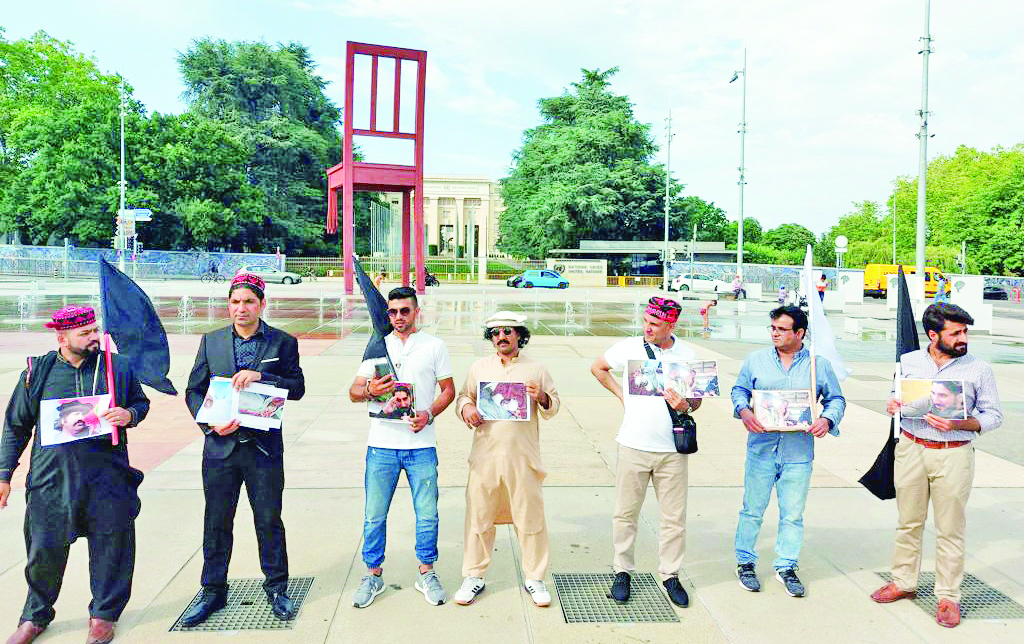
Pashtuns face enforced disappearances and repression as foreign aid supports state institutions accused of human rights violations (Photo: File)
COPENHAGEN: Globalization promised cooperation and progress. But in Pakistan's Pashtun belt, it has produced the opposite: a system where foreign aid strengthens state institutions accused of violating human rights, while marginalized communities pay the highest price. For years, Pakistan has been one of the largest recipients of U.S. and Western assistance. A significant portion of this support has been directed toward security operations, counterterrorism, and military partnerships. Yet on the ground, Pashtuns—particularly those living near the Durand Line continue to face enforced disappearances, extrajudicial killings, movement restrictions, and arbitrary detentions.
The irony is striking: aid meant to promote stability has instead deepened mistrust between citizens and the state. The Pashtun Tahafuz Movement (PTM) emerged as a peaceful grassroots response to these abuses. It called for basic rights: the recovery of missing persons, an end to collective punishments, demining of conflict-affected areas, and transparency in military operations. Instead of engaging with these legitimate concerns, the state banned the movement, censored its leadership, and framed its demands as a threat to national security. This reaction itself reveals how deeply entrenched the culture of impunity has become.
Yet Pakistan is not acting alone. Donor countries, particularly the United States, have contributed to this dynamic through decades of poorly monitored assistance. Even when aid was suspended, the concerns driving those decisions rarely included human rights violations against Pashtuns. Instead, geopolitical priorities ranging from the Cold War to the War on Terror determined the flow of funds. Western taxpayers seldom know how their money is used. They are told it fights terrorism, but they are not told that it can also finance systems that disappear young men without trial and suffocate peaceful dissent. This lack of transparency shields both Pakistan's government and donor states from scrutiny, at the expense of communities living under militarized governance.
The nearly invisible suffering of Pashtuns reflects a larger problem in global politics: human rights rhetoric often collapses when weighed against strategic interests. But this silence is not inevitable. Donor governments can demand full transparency on how aid is used, prioritize civilian protection in their allocation decisions, and make future assistance conditional on verifiable human rights reforms. Pakistan, for its part, must end enforced disappearances, investigate unlawful killings, and allow peaceful movements like PTM to operate without harassment. The world does not lack evidence of abuses; it lacks the political will to act. Globalization should not mean empowering states at the expense of their own citizens. If it is to have any moral foundation, it must treat Pashtun lives as equal to all others. And that begins with listening to the people who have been silenced for far too long.
Levsa Bayakhkhail is a member of the PTM International Advocacy Committee. She also serves as the Convener of the Pashtun Security Dialogue at the Indic Researchers Forum and advocates for human and women's rights. Bayakhkhail writes for various online newspapers in Denmark and internationally.
