After a brief period of calm, tensions between the US and Iran have surged again, driven by protest unrest, military threats, and growing fears that even a limited strike could spiral into full-scale conflict.
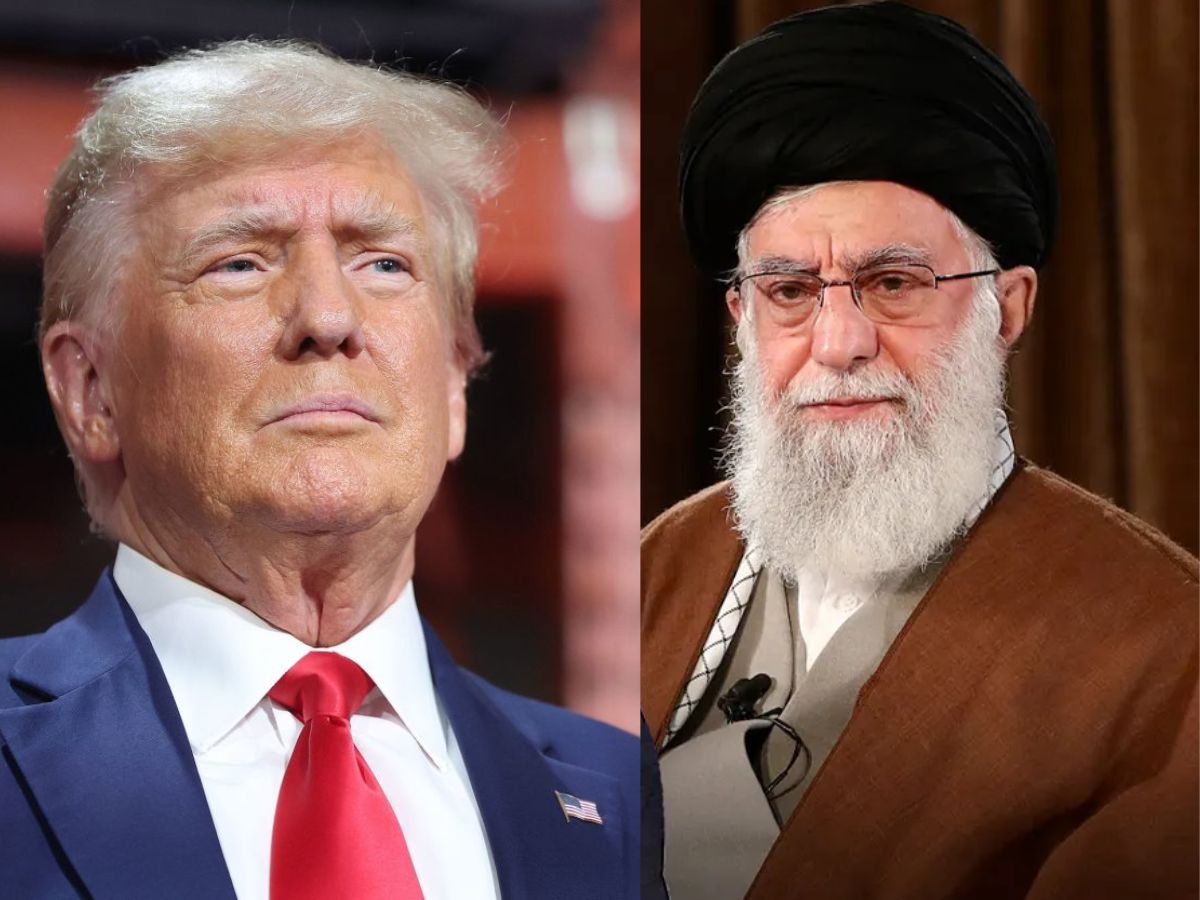
US-Iran Tensions Rise Again After Brief Pause as Military Threats Escalate (Source: X)
The standoff between the United States and Iran has heated up again after a short period when it seemed both countries were stepping back. That pause is now over. The situation has become tense and unpredictable once more.
This new crisis is closely linked to events that began in late December, when large protests inside Iran turned into one of the country’s deadliest periods of internal unrest in recent years.
At the centre of the tension is a familiar pattern. The US is signalling it may use military force. Iran is warning that any attack even a limited one will be treated as an act of full war.
A US carrier strike group is now close to Iranian waters, and both sides are issuing open threats. To understand where this may go next, it is important to see how it started.
The unrest began with public anger over high inflation, a falling currency, and worsening living standards. What started as economic protests quickly turned into political demonstrations calling for major change.
Iranian authorities reacted strongly. On 8 January, they shut down much of the internet and phone networks. The blackout aimed to stop protesters from organizing, hide how serious the unrest was, and limit information leaving the country.
Violence increased rapidly. Activist groups estimate that over 5,000 people have died, though they say the number could be higher because of communication blocks. An Iranian official quoted by the Guardian admitted thousands had died but blamed the US and said “terrorists and armed rioters" were responsible for civilian deaths. The Human Rights Activists news agency said more than 24,000 people were arrested. Kurdish regions saw some of the worst clashes.
As reports of deaths grew, the US response became louder. President Donald Trump said Washington would “come to their rescue." He encouraged Iranians to “take over your institutions" and told them “help is on its way," which made many believe US intervention might happen.
Trump also attacked Iran’s Supreme Leader, Ayatollah Ali Khamenei, calling him “a sick man who should run his country properly and stop killing people."
By 14 January, the US was reportedly close to launching military strikes on Iran. The attack was stopped at the last moment after pressure from regional allies. According to Axios, Israel’s Prime Minister Benjamin Netanyahu warned Israel was not ready for Iran’s retaliation, and Saudi Crown Prince Mohammed bin Salman urged caution.
A US official told Axios, “It was really close."
After that near strike, tensions eased for a short time. On 16 January, Trump thanked Iranian leaders online, claiming they had halted the executions of 800 protesters, including Erfan Soltani. Iran’s chief prosecutor denied such mass executions were planned.
Some internet services returned, and open protests decreased, though the mood remained tense. People in Tehran, Shiraz and Isfahan continued shouting slogans against Khamenei from their homes.
The stopped strike, the pause in executions, and restored communications created a temporary sense of stability.
The calm ended after Trump warned that any attempt to kill him would lead to massive retaliation. He said, “I have very firm instructions anything happens, they’re going to wipe them off the face of this earth."
Iran reacted sharply. Military spokesperson Abolfazl Shekarchi said Iran would “set fire to their world" if action was taken against Khamenei. He added, “Trump knows that if any hand of aggression is extended toward our leader, we not only cut that hand but also we will set fire to their world."
Trump then said a “big flotilla" of US warships was heading toward Iran. The USS Abraham Lincoln carrier group is approaching the Persian Gulf. Trump called it “a warning rather than a combat mission."
An Iranian official told Reuters that “all types of attacks, whether they are limited or unlimited or surgical or kinetic," would count as war. Iran says it is ready for “the worst-case scenario." The Revolutionary Guard said it has its “finger on the trigger."
The US has several possible paths:
Symbolic strikes on nuclear or missile facilities
Attacks on security forces like the IRGC or Basij militia
Cyberattacks
Strikes on oil and gas infrastructure, which would hurt Iran’s economy
A highly risky option: targeting Khamenei himself
However, Iran’s security forces are very large, so limited strikes may not weaken the regime much.
Experts say it is uncertain. A strike might inspire protesters and weaken the regime’s confidence. But it could also lead to harsher repression, like past uprisings where people expected US help but were crushed.
Iran’s political future will mainly depend on its own people, not foreign troops.
The US carrier group gives Washington both protection and pressure power. Iran may respond in a controlled way, matching US actions without causing full war.
But if Khamenei is targeted, Iranian leaders have made clear that it would mean war — and the outcome would be unpredictable.
