The US formally exits the World Health Organization leaving behind a $260M debt and raising global health risks as experts warn of weakened responses to future outbreaks.
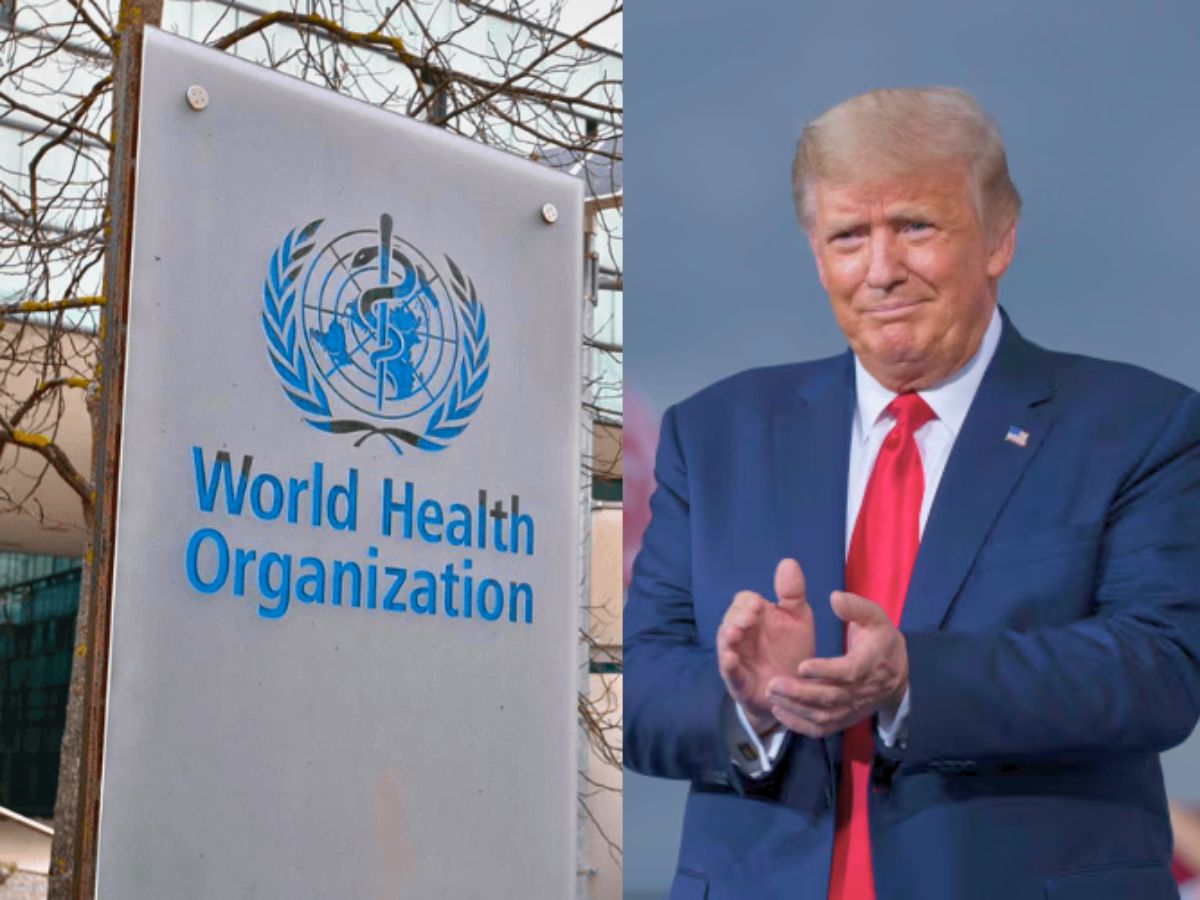
The US formally exits the World Health Organization leaving behind a $260M debt [Photo: X]
The United States has officially ended its membership in the World Health Organization (WHO), marking a historic shift in its approach to global health cooperation. The departure comes nearly a year after President Donald Trump first announced plans to quit the global health agency. However, the exit leaves behind an unresolved debt of about $260 million and alarm among health experts worldwide.
The decision deprives the WHO of its largest financial supporter and ends US participation in key committees and decision‑making bodies. Critics say the move could undermine global efforts to combat pandemics, monitor disease outbreaks, and develop vaccines.
President Trump began the withdrawal process with an executive order early in his second term, accusing the WHO of mishandling the COVID‑19 pandemic and being politically influenced by member states. The Trump administration also argued the organisation failed to adopt urgent reforms.
The Department of Health and Human Services (HHS) said all funding to the WHO has been stopped. US personnel were recalled from the WHO’s headquarters in Geneva and offices around the world. The United States will no longer serve on the WHO leadership bodies or technical groups.
The US exit leaves a significant unpaid balance of roughly $260 million to the WHO, according to estimates made by the organisation in January 2025. A senior HHS official said the US had no legal obligation to settle this debt before withdrawing.
Under a 1948 Congressional resolution, the US must give one year’s notice before leaving and should pay any dues owed. WHO leaders may address this issue at an upcoming executive board meeting, but the organisation has limited legal means to enforce payment.
With the US formally withdrawing and leaving behind a $260 million unpaid contribution, the WHO now faces a funding gap. Experts say European Union countries, particularly Germany, the UK, and France, could take on larger roles as top donors. Other nations like Japan, Canada, and Australia may also increase contributions to fill the shortfall.
Analysts warn that even if other countries step up, the loss of US funding — which represented nearly a quarter of the WHO’s budget — will impact global vaccination programs, disease surveillance, and emergency response efforts. The leadership now faces the challenge of balancing program priorities amid reduced resources.
A senior official from the US Department of Health and Human Services (HHS) said the US has no legal requirement to pay its outstanding dues before leaving the WHO. While a 1948 Congressional resolution mandates one year’s notice and payment of membership dues, officials argue there is no statutory obligation to clear debts for future years.
The WHO confirmed that the US had not paid its 2024 and 2025 contributions. Some legal experts argue that although the move is controversial, the UN health agency lacks enforcement mechanisms to compel the US to settle the $260 million debt.
The US has also lost access to critical WHO data and networks that track infectious diseases worldwide. This includes information used to inform influenza vaccine composition — data that helps scientists respond quickly to emerging strains. Public health experts warn that losing this global cooperation could slow responses to new outbreaks.
Dr Ronald Nahass, president of the Infectious Diseases Society of America, called the withdrawal “shortsighted and misguided” and “scientifically reckless.” Many specialists echo this view, saying the decision weakens the global ability to tackle health crises.
The WHO plays a central role in coordinating responses to diseases like polio, HIV, Ebola, and more. Without US support, funding shortfalls could jeopardise vaccination drives and essential health services, especially in lower‑income countries.
Analysts also warn the US’s departure could shift influence within the WHO toward other powerful states. Countries like China and Russia may expand their roles, potentially reshaping global health governance and priorities.
Despite the withdrawal, US officials say the country will pursue global health leadership through bilateral agreements and work with agencies such as the Centers for Disease Control and Prevention (CDC) and the National Institutes of Health (NIH). They argue this approach will maintain US influence independent of the WHO framework.
However, experts express doubts about the effectiveness of these plans, noting that no single nation can replace the breadth of data and coordination provided by the WHO.
