
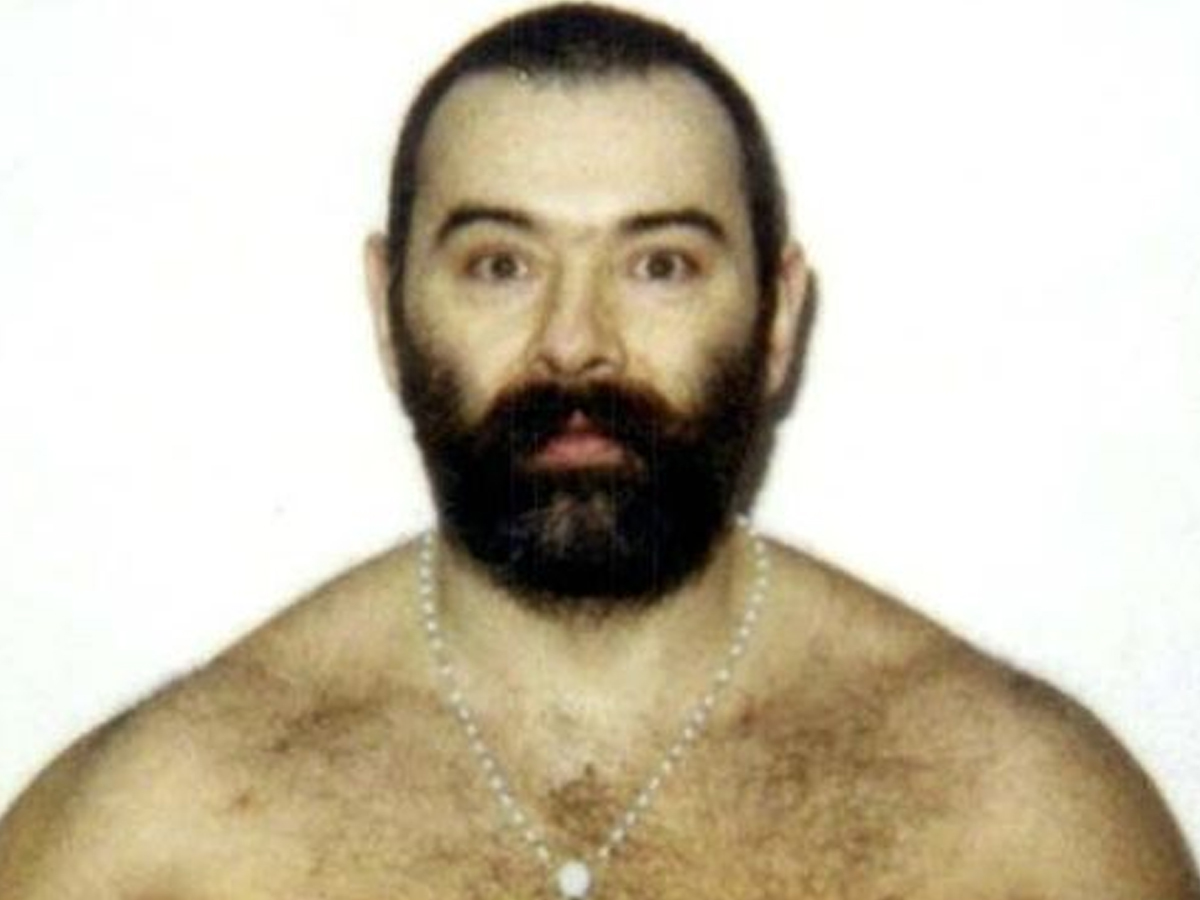
More than five decades after he first entered prison, Charles Bronson could be closer to release. The 73-year-old inmate, who now goes by Charles Salvador, faces another crucial review by the Parole Board, which will decide whether he can safely return to society.
Bronson has spent 52 years behind bars, making him one of the UK’s longest-serving prisoners. Authorities originally jailed him in 1974 for armed robbery. Since then, repeated violent incidents inside prison have kept him incarcerated.
Why is Charles Bronson Back Before the Parole Board?
This marks Bronson’s ninth attempt to secure release. However, unlike previous hearings, the board will conduct this review as a paper-based assessment. Officials will not hold a public hearing.
The panel will examine written reports from his legal team, prison officers, probation staff, and psychiatrists. They will assess whether he still poses a danger to the public and whether authorities can manage any risk through strict licence conditions.
Bronson recently made headlines after he dismissed his legal team just weeks before the review. In a strongly worded letter, he said he had “sacked the legal team” and described the parole process as a “farcical jam roll.” He also asked: “What are they afraid of? The truth getting out?”
Despite that disruption, a new solicitor now represents him and has helped move the process forward.
Charles Bronson Prison History: 52 Years Behind Bars
Born Michael Gordon Peterson, Bronson built a reputation as one of Britain’s most notorious inmates. Authorities convicted him of armed robbery in 1974 and sentenced him to seven years in prison.
However, repeated violent attacks on prison staff and fellow inmates extended his incarceration. In 1999, he took a prison art teacher hostage, which resulted in a life sentence with a minimum term of three years.
His most recent conviction came in 2014 for assaulting a prison governor. Much of his sentence has been served in solitary confinement due to security concerns.
Can Charles Bronson Be Released?
The central question for the Parole Board review is whether Bronson poses an ongoing threat. Officials will determine if structured supervision, movement restrictions, and support systems could safely manage him in the community.
Psychiatrist Bob Johnson, who treated Bronson three decades ago, believes institutionalisation has shaped much of his behaviour. He suggests that with proper support from friends and structured routines, Bronson could adapt to life outside prison. Johnson also notes that Bronson’s artwork could provide a legal source of income if he gains release.
However, critics argue that his long record of violence makes any release risky.
What Happens Next in the Charles Bronson Case?
If the board approves the release, Bronson would leave prison under strict licence conditions. Authorities could recall him immediately if he breached those conditions.
If the board rejects his application, he will remain in custody and may apply again at a later date.
The case continues to divide public opinion across the UK. Supporters say he has paid his debt after 52 years in prison. Opponents believe his violent past cannot be ignored.
As the decision looms, the question remains: will Britain’s most notorious prisoner finally walk free, or will he spend the rest of his life behind bars?




