
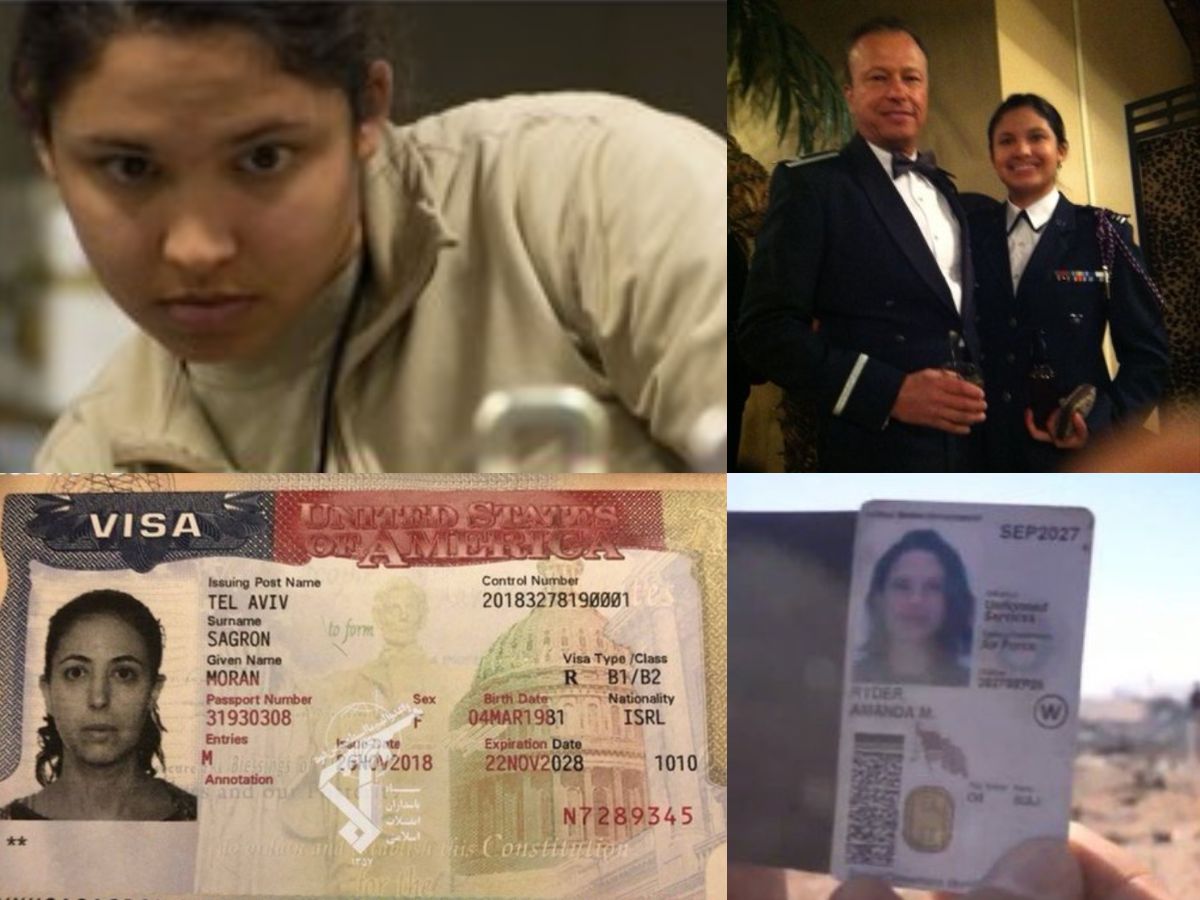
Recent reports claiming that Iran captured an “Israeli-American pilot” named Moran Sagron have gone viral across social media and messaging platforms. The posts include alleged photos and military identification details, suggesting a dramatic escalation in the ongoing tensions between Iran, the US, and Israel.
At the same time, Iranian state media has shared images of identity documents from destroyed US aircraft near Esfahan, linked to Amanda M. Ryder, possibly a US Air Force Major, along with a B2 stay permit issued by Israel.
While these claims are widely circulated, there is no independent verification from the US, Israeli, or international authorities. Analysts warn that in such high-stakes conflict situations, unverified material can spread rapidly, creating confusion and misinformation.
Fact Check: Did Iran Capture ‘Israeli-American Pilot Moran Sagron’?
Claims spread online say Iran has captured a pilot named Moran Sagron, who allegedly holds both Israeli and American citizenship, after a fighter jet crashed inside Iranian territory. These posts include supposed military ID details and photos.
But there is no official confirmation from the US or Israeli authorities that such a capture happened, nor is there any reliable evidence placing Sagron in Iranian custody. Much of this narrative stems from social media and state‑linked channels with histories of spreading misinformation in the context of the Iran‑US‑Israel conflict.
Who is Moran Sagron?
The individual named in the viral claims, Moran Sagron, is not verified as a military pilot by any official source. Reports circulating online describe Sagron as an engineer working in technology and defence sectors, not an active combat pilot. No US or Israeli military records have been presented that list Sagron publicly as a pilot.
The discrepancy between the documented professional background and the online portrayal as a military aviator undermines the credibility of the capture claim. Independent verification from defence sources has not been made available so far.
‘Amanda M. Ryder’ Documents Found at Crash Site
Another viral claim relates to images showing identity documents allegedly found near the wreckage of a US military aircraft in Isfahan province. These images include a card belonging to someone named “Amanda M. Ryder,” reportedly linked with the US Air Force.
Iranian state media suggested these documents were recovered after a C‑130 aircraft was downed. However, no credible international verification exists confirming that these documents are genuine or connected to a real service member involved in recent events. The origin and authenticity of the materials remain unproven.
Who is Amanda M. Ryder?
Despite the name circulating online, there is no confirmed military record or official acknowledgement linking “Amanda M. Ryder” to US Air Force service related to the incident in Iran.
Viral posts and discussions include speculation and speculation about her role, but no authoritative source has validated her identity in connection with the crash or rescue operation.
Given the lack of substantiation, the claim about Ryder’s involvement should be treated with caution. Some social media threads even question whether the image has been manipulated or misaligned with known facts.
What Iranian State Media States?
Iranian state media has reported that identification documents were recovered from the wreckage of US aircraft near Esfahan. They attribute these documents to “Amanda M. Ryder,” reportedly a US Air Force Major. Among the circulated items is a B2 stay permit issued by Israel, showing an expiration date of March 20, 2026.
The state outlets have framed these findings as evidence of US personnel involvement in the aircraft incident and have highlighted the discovery to strengthen claims of Iranian operational success. Iranian TV also shared images of wreckage and identity papers, presenting them as part of a broader narrative of military vigilance and control over the area.
However, no independent verification exists confirming the authenticity of these documents or linking Ryder directly to the incident. Analysts caution that such claims from state media, especially in conflict contexts, often mix verified information with unconfirmed material to shape perception and public narrative.
What Identities Have Been Found?
Iranian state television has released images of identification documents reportedly recovered from the site of destroyed US aircraft near Esfahan. These documents are attributed to “Amanda M. Ryder,” who is said to be a US Air Force Major. Among the circulated visuals is a B2 stay permit issued by Israel, showing an expiration date of March 20, 2026.
While these documents have been widely shared online, their authenticity has not been independently verified by the US Department of Defence or other neutral observers. Analysts caution that in conflict zones, materials like IDs and visas can be misrepresented, reused, or even fabricated to support narratives, making it difficult to confirm any direct link to the individuals or aircraft involved.
This underscores the importance of cautious interpretation, as viral claims about Ryder or the recovered permits may be part of a broader campaign of disinformation amid heightened regional tensions.
Old Image, New Narrative: Experts Flag Misinformation Pattern
Experts tracking content online note that recycled images and old visuals are often reused with new interpretations to generate shock value. Online misinformation studies show that images from past years are repeatedly repurposed during conflicts to create false narratives.
As AFP fact‑checkers highlight, unrelated clips and pictures are being linked falsely to the Iran war events, pointing to wider misinformation tactics.
Fog of War and Information Warfare
The ongoing Iran‑US‑Israel conflict has created a chaotic information space. Rapid social media spread, competing narratives from state actors, and emotional claims all contribute to confusion.
In high‑tension situations, false or unverified claims gain traction quickly because people want definitive answers, even without verification. This “fog of war” often blends fact with speculation.
Fact Check Verdict: Did Iran Really Capture ‘Israeli‑American Pilot Moran Sagron’?
No credible evidence supports that Iran captured an “Israeli‑American pilot” named Moran Sagron. The stories about Sagron and the alleged identities found near crash sites are based on unverified sources and lack confirmation from reliable authorities.
Independent fact‑checking organisations have highlighted the spread of misinformation in related online content, urging readers to treat sensational claims with scepticism until verified.




